US launches third straight day of strikes on Iran

America Intensifies Military Campaign Against Iran Amid Strait of Hormuz Tensions
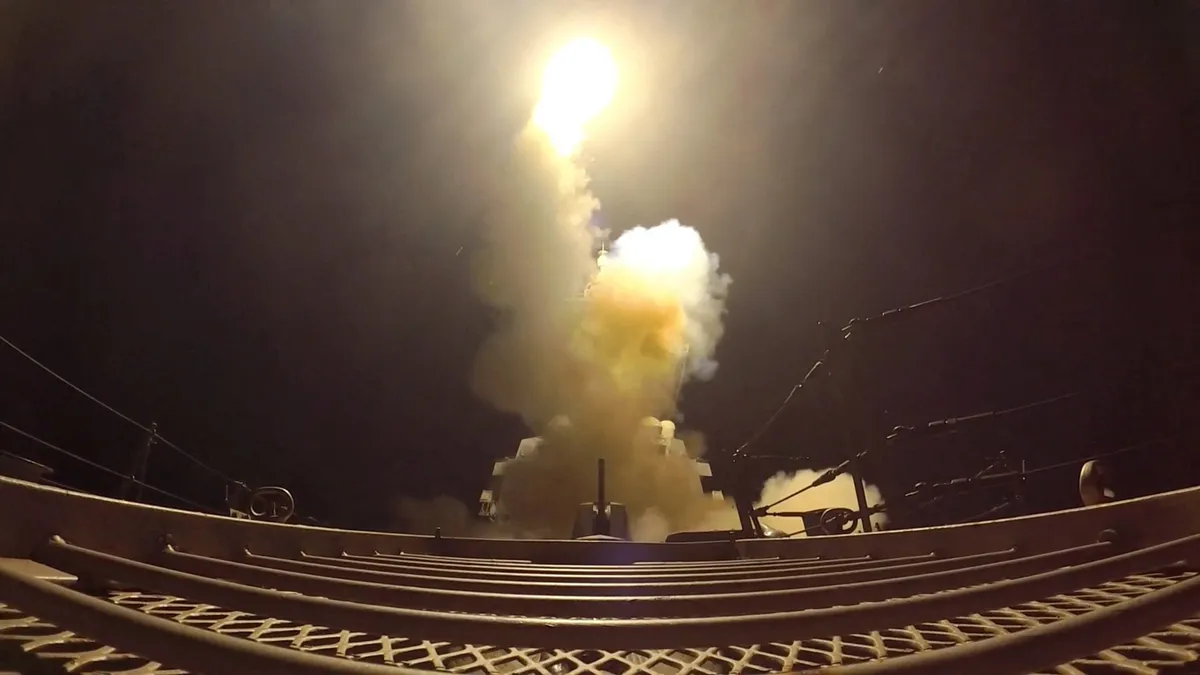
Cybersecarmor.com – The United States initiated another wave of aerial and naval operations against Iranian targets on Monday, July 13, extending its military pressure for a third day running. This escalation comes as Washington works to establish control over the strategically vital Strait of Hormuz, following President Donald Trump’s announcement that the previously tenuous ceasefire arrangement has effectively collapsed.
Coordinated Strikes and Strategic Objectives
According to official statements released by the U.S. Central Command, the latest round of bombardments commenced at 4:45 p.m. Eastern Time. The military command emphasized through a social media post on the platform formerly known as X that these operations would persist in applying substantial pressure upon Iranian military capabilities.
The strikes will continue imposing a heavy cost on Iranian forces and degrade their ability to attack innocent civilians and commercial shipping in the Strait of Hormuz.
These coordinated attacks represent a significant escalation in American military presence in the Persian Gulf region. The timing of the operations suggests careful planning to maximize impact while demonstrating resolve to both Iranian leadership and international observers monitoring the developing situation.
Naval Blockade and Economic Measures
Earlier on the same day, President Trump announced that the United States would reinstate a comprehensive naval blockade surrounding Iranian territory. In his remarks, the president characterized America’s role as that of a “guardian” responsible for protecting this critical maritime corridor from potential threats.
Perhaps most notably, Trump outlined an economic framework that would require nations utilizing the waterway to contribute financially to security operations. Under this proposed system, countries would be obligated to pay a fee equivalent to twenty percent of their total cargo value. This revenue would help cover what the administration described as all necessary expenditures related to maintaining safety and security throughout this particularly volatile region of global commerce.
We’re taking over the strait. They’ve got nothing.
During a telephone conversation with Fox News on July 13, the president further elaborated on this arrangement, suggesting that other Middle Eastern nations would ultimately reimburse the United States for its operational costs. This proposal positions America not merely as a military participant but as an administrative authority overseeing one of the world’s most important oil transportation routes.
Historical Context and Diplomatic Developments
The current military actions stand in contrast to diplomatic progress made just weeks earlier. American and Iranian representatives had reached a preliminary peace accord during the previous month, aiming to conclude hostilities that commenced on February 28. This memorandum of understanding contained several key provisions, including the restoration of normal maritime traffic through the Strait of Hormuz.
Beyond immediate security concerns, the agreement also initiated additional discussions regarding Iran’s nuclear development program and the potential modification of existing American sanctions. Prior to the recent deterioration of relations, a previous blockade affecting Iranian ports had been successfully lifted during June, offering hope for renewed diplomatic engagement.
Focus on Nuclear Facilities
On the same day as the renewed strikes, President Trump appeared on the Hugh Hewitt radio program to address ongoing developments in the conflict. During this broadcast, he revealed that American forces were preparing for a significant operation targeting the Pickaxe Mountain nuclear installation.
We’re going to take out Pickaxe Mountain. Tell the Iranians to be ready.
The president indicated that American intelligence had been closely monitoring activity at the facility, noting an absence of expected operations. He characterized Iran’s current nuclear situation as problematic, suggesting that previous American interventions had disrupted Iranian progress. According to Trump, Iranian officials had shown reluctance to discuss these developments publicly.
We’re watching it closely. We see no activity there. They’re not doing well with their nuclear situation. Every time we hear about it, we blow it up.
Looking ahead, the president expressed confidence that an operation against the Pickaxe Mountain site would occur within a relatively short timeframe. This potential strike represents another dimension of American pressure, combining military, economic, and diplomatic tools to achieve strategic objectives in the region.
The convergence of these multiple pressure points—military strikes, naval blockade, economic fees, and potential nuclear facility targeting—suggests that the United States is pursuing a comprehensive strategy to reshape the balance of power in the Persian Gulf. Whether this approach will lead to renewed diplomatic stability or further escalation remains to be seen as events continue to unfold.