Cyclosporiasis vs other GI illnesses: Key differences explained

Understanding the Cyclosporiasis Outbreak: A Comprehensive Overview
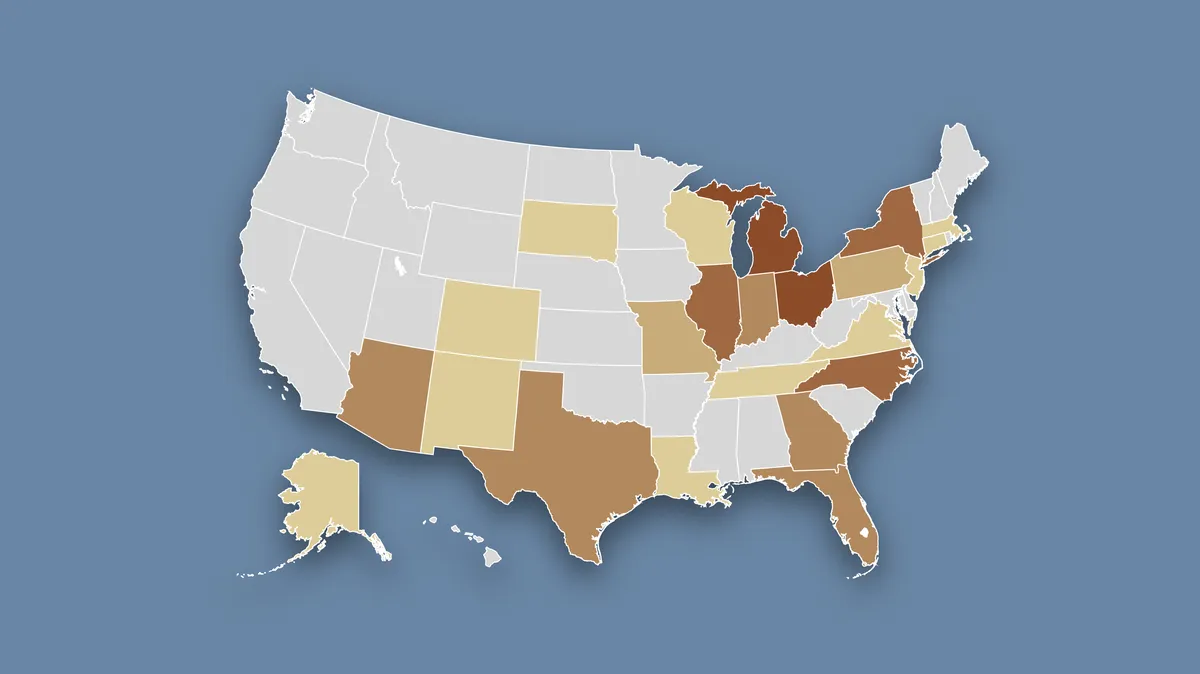
Cybersecarmor.com – A significant public health concern has emerged across the United States as cyclosporiasis, a parasitic foodborne illness, continues to affect communities nationwide. This infection has captured widespread attention due to its distinctive symptoms, particularly the characteristic explosive diarrhea that has become a hallmark of the condition. According to the latest data, at least 843 individuals across 31 different states have been officially confirmed as having contracted cyclosporiasis.
Current Statistics and Hospitalization Rates
The Centers for Disease Control and Prevention provided an update on July 10, revealing that among the confirmed cases, 86 people have required hospitalization. This represents a substantial portion of those affected, indicating that the illness can range from mild to severe depending on individual health factors. Importantly, no fatalities have been documented in connection with this particular outbreak, which is a positive sign for public health officials monitoring the situation.
However, experts caution that the official CDC figures likely represent an underestimate of the true scope of this outbreak. State health departments across the country have been reporting significantly higher numbers than what the federal agency has tallied. Michigan stands out as having one of the most substantial impacts, with the state reporting at least 1,562 cases independently. When aggregating all state health department reports, NBC News indicates that nearly 3,000 cases have been documented nationwide, suggesting the outbreak is considerably larger than initially reported.
Comparing Cyclosporiasis to Other Gastrointestinal Illnesses
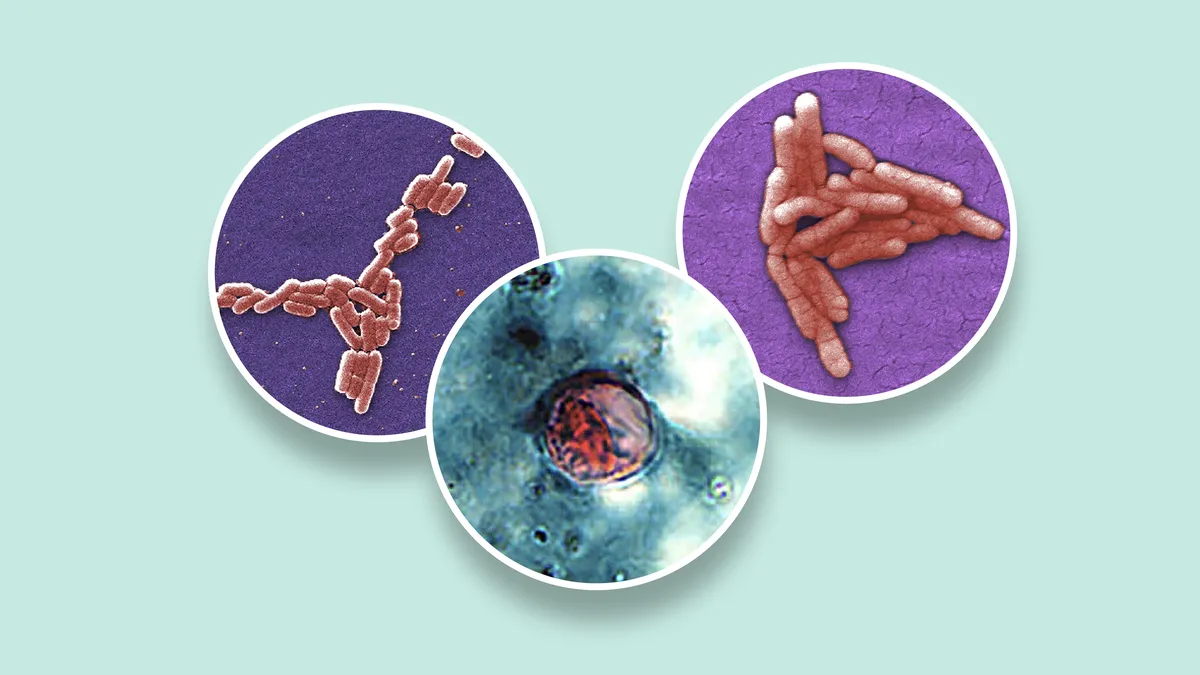
While cyclosporiasis currently dominates headlines, it is important to contextualize this outbreak within the broader landscape of gastrointestinal diseases in the United States. Conditions such as E. coli/STEC infections and Salmonella outbreaks are actually far more prevalent in the American population on an annual basis. Despite their higher frequency, these other illnesses can produce equally severe gastrointestinal symptoms that may require medical intervention.
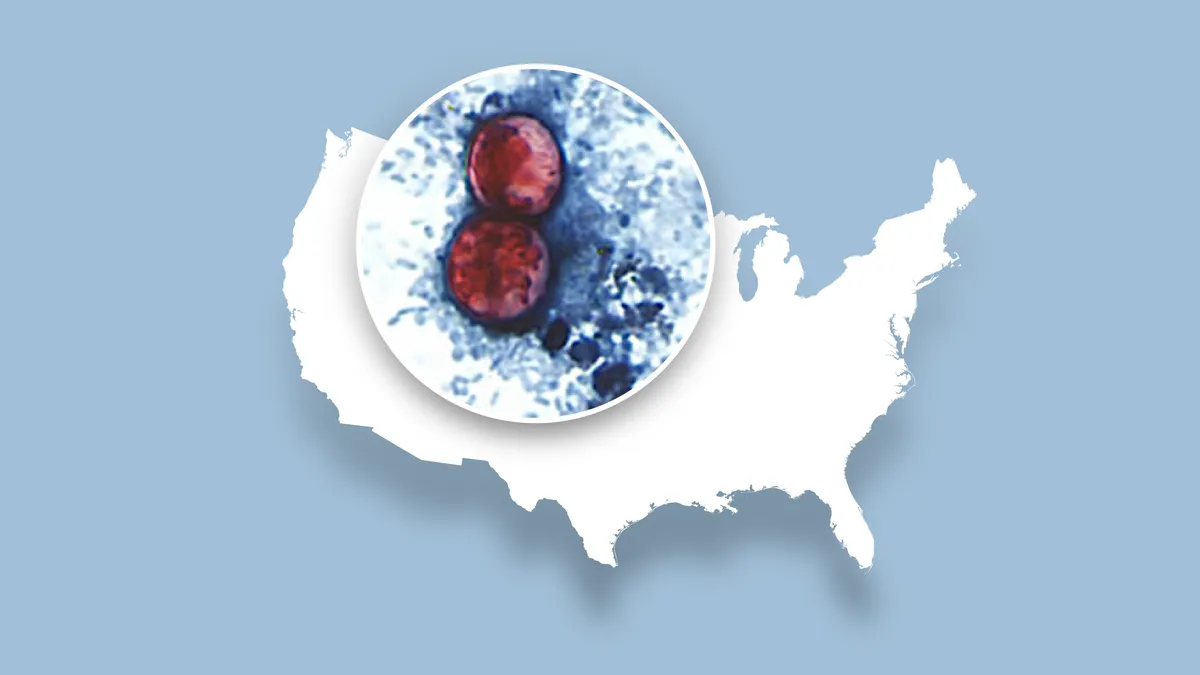
Understanding the distinctions between these conditions helps both healthcare providers and the public respond appropriately. Cyclosporiasis is caused by a microscopic parasite that typically enters the body through contaminated food or water. The parasite then multiplies in the intestinal tract, leading to the characteristic symptoms that have made this outbreak so noticeable.
Prevention and Risk Reduction Strategies
Health officials have developed comprehensive guidance aimed at reducing the risk of cyclosporiasis transmission. This guidance specifically targets individuals involved in any capacity with fresh produce—whether they are preparing, processing, or serving these foods to consumers. Proper handling techniques, thorough washing procedures, and awareness of potential contamination sources are all critical components of the prevention strategy.
For anyone involved in the food supply chain, from farm to table, implementing these preventive measures can significantly reduce the likelihood of spreading cyclosporiasis and other foodborne illnesses.
Additional measures for reducing the risk of food-borne illnesses include maintaining proper hygiene practices, ensuring adequate cooking temperatures when applicable, and being vigilant about potential cross-contamination between raw and ready-to-eat foods. Consumers should also pay attention to public health advisories and follow any recall notices or warnings that may be issued as the outbreak evolves.
The Broader Impact on Public Health
This cyclosporiasis outbreak serves as a reminder of the importance of robust food safety systems and the need for continued monitoring of emerging health threats. The discrepancy between CDC figures and state-level reports highlights the complexity of tracking nationwide outbreaks and underscores the value of local health departments in providing accurate, timely information to their communities.
As investigations continue into the specific sources of contamination, public health officials remain committed to protecting consumers and preventing further spread of the illness. The combination of increased awareness, improved prevention strategies, and coordinated response efforts positions the nation to manage this outbreak effectively while learning valuable lessons for future public health challenges.