
Govt reviewing flagship EV sale quotas after biggest car production fall in 73 years
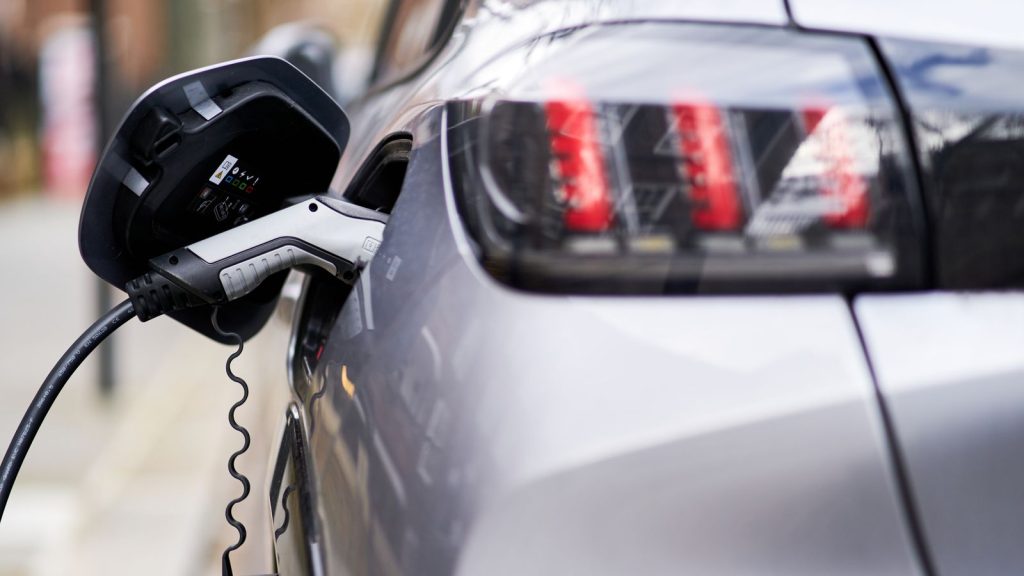
Govt reviewing flagship EV sale quotas after biggest car production fall in 73 years
The UK government is evaluating its electric vehicle (EV) sales targets, a core part of its environmental strategy. With 2025 marking the lowest vehicle output in the nation since 1952, officials have initiated discussions on modifying the zero-emission vehicle (ZEV) policy, according to official statements.
Policy Adjustments in Focus
The ZEV directive, which requires automakers to achieve specific emission-free sales targets annually, is under scrutiny. If revisions are made, they could signal a reversal of the government’s commitment to its green initiatives. The mandate was established by the Labour administration in 2024, aiming to eliminate petrol and diesel car sales by 2030 through escalating quotas each year, with full compliance expected by 2035.
Current targets see a 33% EV sales requirement for 2026, up from 28% in 2025 and 22% in 2024. A spokesperson emphasized adaptability, stating: “We acknowledge manufacturing hurdles, but our track record shows we can adjust. Discussions for the ZEV mandate review are underway, with results planned for early 2027.”
Industry Challenges and Financial Impact
Manufacturers are facing financial strain due to penalties for missing targets, with each shortfall costing £12,000. This has prompted large discounts on EVs, resulting in £10bn in losses over two years, as reported by the Society of Motor Manufacturers and Traders (SMMT). Despite this, the government highlighted that EV ownership is now more accessible, citing lower costs amid high fuel prices.
New data reveals a 17% decline in car production during February compared to the same period in 2025. Battery-electric, plug-in hybrid, and hybrid vehicle outputs also dropped by 3% to 26,629 units. However, a quarter of cars sold in 2025 were zero-emission, reflecting a 25% annual increase.
Political Criticism and Policy Shifts
Conservative leaders have accused the government of overhauling the ZEV mandate too frequently, urging a return to stable policies. Shadow transport secretary Richard Holden stated: “The Conservatives have a clear plan ready, driven by innovation and consumer choice rather than rigid net zero goals.”
In response to global trade dynamics, the government adjusted the ZEV rules in April after Trump’s 25% car import tariffs on the US. This included extending hybrid car sales until 2035 and exempting smaller producers from the 2030 petrol and diesel phase-out. Automakers now have more flexibility in meeting emission targets.
Long-Term Goals and Market Reactions
Labour aims to double annual vehicle production by 2035, targeting 1.3 million units. The policy’s potential revisions have sparked debate, with critics arguing it may undermine progress toward greener transportation. The government maintains its focus on reducing emissions, despite economic pressures.

