Cockroach contraband valued at more than $140,000 seized in Australia

Cockroach Contraband Valued at Over $140,000 Confiscated in Australia
Cybersecarmor.com – The Australian Department of Climate Change, Energy, Environment and Water (DCCEEW) revealed a major contraband bust that has raised concerns about the country’s ecological safety. On June 5, authorities in New South Wales intercepted more than 100,000 live exotic cockroaches, marking a historic moment in the nation’s efforts to combat invasive species. The operation, described as the largest seizure of illegal non-native invertebrates ever recorded, highlights the growing threat posed by the clandestine trade of these creatures.
Exotic Species and Their Market Value
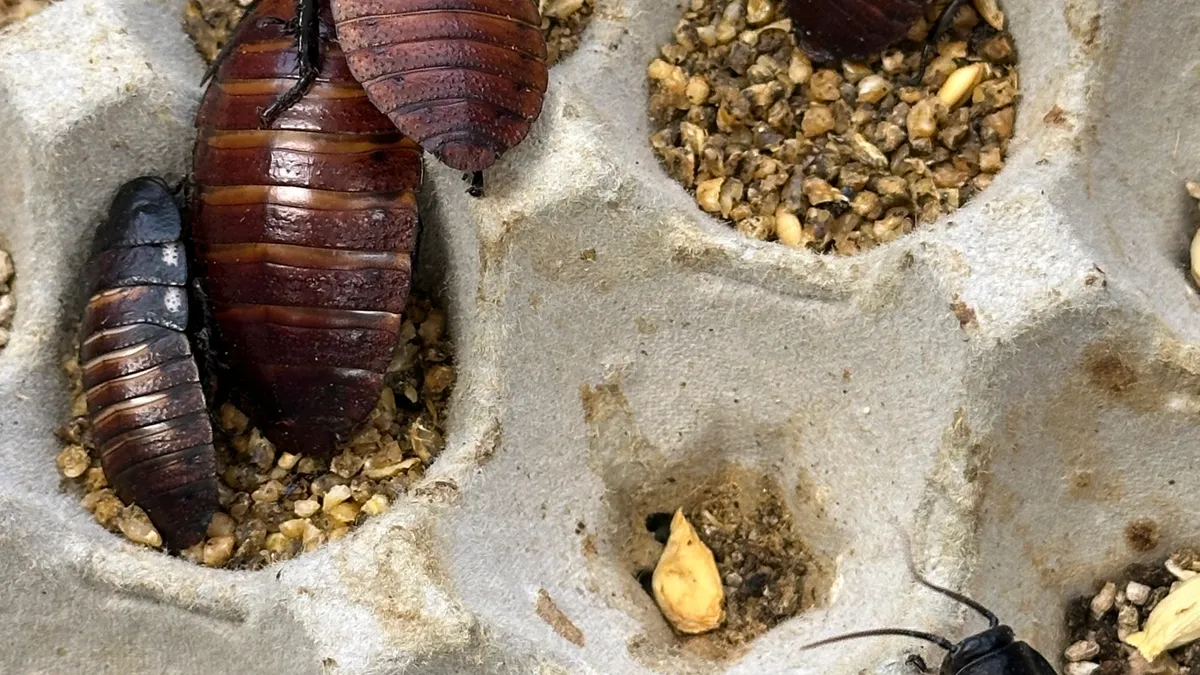
The seized cockroaches belonged to two distinct species: Dubia cockroaches and Madagascar hissing cockroaches. Together, they were valued at roughly $200,000 Australian dollars, equivalent to $140,000 in U.S. currency. These pests, often bred for their utility in pet care and scientific research, were found in illicit shipments that bypassed standard customs inspections. The DCCEEW emphasized that their presence in the country could disrupt natural ecosystems, spread pathogens, and jeopardize agricultural resources.
“We take our responsibility to safeguard Australia’s unique biodiversity and uphold national environmental laws extremely seriously,” the department stated in its press release. “The illegal breeding and trade of exotic cockroaches are now under scrutiny, and we are sending a clear message to pet businesses and owners about the risks they pose.”
The Dual Role of Cockroach Trade
While these cockroaches are commonly used as feed for reptiles and amphibians, their commercial value extends beyond pet food. Researchers have explored their potential as alternatives to mammalian subjects in laboratory testing, particularly in fields like pharmacology and toxicology. This dual-purpose trade has made them popular among both hobbyists and scientists, though it has also led to their proliferation in the wild.
Madagascar hissing cockroaches, in particular, have gained attention for their unique ability to produce sound, a trait that makes them stand out in the insect world. Their popularity as exotic pets has surged in recent years, driven by their docile nature and low maintenance requirements. However, this demand has created a black market where unregulated shipments can slip through customs without proper scrutiny.
DCCEEW officials noted that the intercepted cockroaches had not undergone mandatory environmental risk assessments, leaving open the possibility of their impact on native wildlife. This oversight underscores the urgency of stricter regulations to prevent their establishment in local habitats. The legal framework in Australia prohibits the importation, breeding, and sale of these species without prior approval, yet enforcement remains a challenge in the face of widespread demand.
Ecological Threats and Public Reaction
The seizure has reignited debates about the ecological risks associated with exotic species. Dubia cockroaches, often used in pet stores, can outcompete native insects for resources, while Madagascar hissing cockroaches may introduce new predators to the ecosystem. Both species have the potential to spread disease, threaten native fauna, and disrupt agricultural systems, particularly in regions where crops are vulnerable to pest infestations.
Environmental experts warn that even small numbers of invasive species can lead to significant ecological imbalances. For instance, the introduction of non-native predators can decimate local populations of smaller animals, while pests like cockroaches can contaminate food supplies and habitats. The DCCEEW highlighted that the intercepted specimens were a critical step in preventing these cascading effects.
Public reactions to the seizure have been mixed. While many express concern about the potential for ecological harm, others argue that the trade is harmless and even beneficial. Some pet owners defend the use of exotic cockroaches as a sustainable alternative to traditional food sources, citing their low environmental footprint. However, critics stress that the lack of oversight means these creatures could establish themselves in the wild, leading to unforeseen consequences.
The operation in New South Wales was conducted by customs officers and environmental specialists working in tandem. The cockroaches were discovered in a shipment bound for pet markets, where they were intended for sale to private collectors and reptile enthusiasts. The regional authorities will now oversee the euthanasia and disposal of the captured specimens, ensuring they do not escape into the environment. This process includes both immediate culling and long-term storage for research purposes.
DCCEEW officials have called for increased vigilance in monitoring the pet trade. They note that similar seizures have occurred in other parts of the country, but this particular case stands out for its scale and the variety of species involved. The department is also working to educate pet owners about the risks of introducing non-native species, emphasizing the importance of proper documentation and compliance with environmental regulations.
As the trade continues to thrive, authorities face the challenge of balancing consumer demand with ecological protection. The case of the Dubia and Madagascar hissing cockroaches serves as a reminder of the interconnectedness between human activity and environmental impact. With over 100,000 specimens intercepted in a single operation, the Australian government is demonstrating its commitment to curbing the spread of invasive species before they take root in the country’s ecosystems.
In a broader context, the seizure reflects a growing trend in the global pet trade, where exotic animals are increasingly viewed as desirable companions. However, the incident in New South Wales underscores the need for stricter controls to prevent these creatures from becoming invasive pests. As the DCCEEW continues its efforts, the focus remains on preventing future breaches of environmental law and protecting Australia’s natural heritage from the encroachment of foreign species.
Drew Pittock, who covers national trending news for USA TODAY, provided updates on the development. He can be contacted at DPittock@usatodayco.com for further details.