
How Pakistan positioned itself at the centre of global crisis management
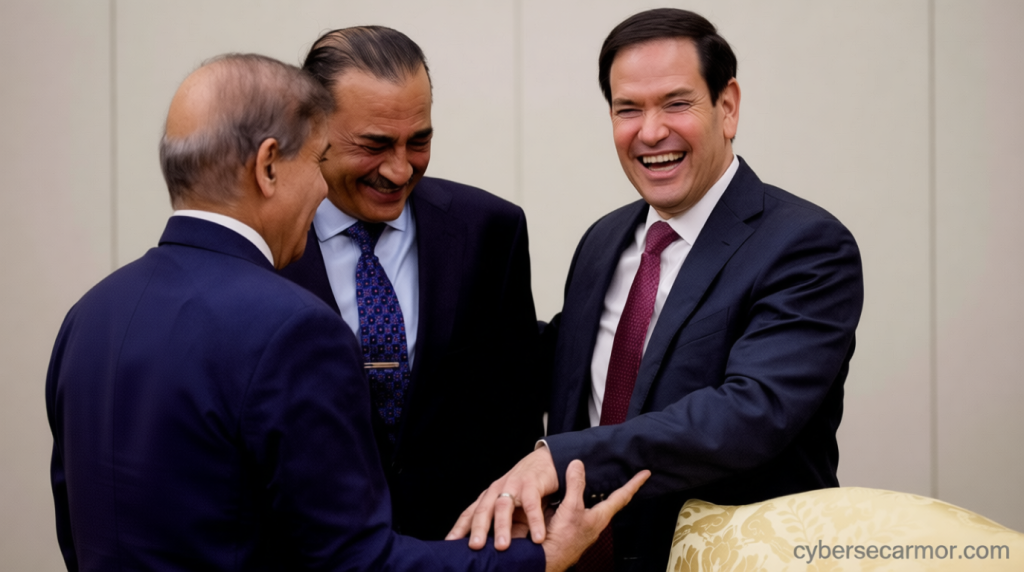
How Pakistan positioned itself at the centre of global crisis management
A Strategic Shift in Diplomacy
In the intense world of Middle Eastern diplomacy, where conflicts blur the lines between warfare and peace amid ongoing air strikes and shifting energy dynamics, Pakistan has emerged as a surprising player. Despite its reputation for economic challenges and political instability, the country now seeks to act as a bridge between the United States and Iran.
A sudden proposal, unexpectedly introduced, suggested Islamabad as a neutral ground for direct talks between the Trump administration and Iran’s leaders. If this initiative succeeds, it could halt the current tensions affecting global energy prices and prevent the spread of regional warfare, while also redefining Pakistan’s role from a security concern to a key diplomatic actor.
“This position has not emerged overnight; it is the result of a sequence of decisions over the past year that have collectively restored Pakistan’s diplomatic reach,” said an Islamabad-based security official, speaking to Middle East Eye anonymously.
Economic and Security Pressures
Pakistan is working to stabilize its economy under strict IMF guidelines, with regional tensions exacerbating energy shortages and straining its financial stability. Escalating hostilities between Iran and its adversaries have already spiked oil prices and worsened energy insecurity across Asia, disproportionately impacting Pakistan’s fragile economic recovery.
Officials in Islamabad warn of potential liquefied natural gas shortages in the near future if new supply agreements are not finalized. A prolonged disruption in Gulf energy flows could deepen the nation’s balance-of-payments crisis, forcing it to prioritize peace over prolonged conflict.
Border Dynamics and Sectarian Concerns
Pakistan shares a 900-kilometre border with Afghanistan, which has historically served as a pathway for militant groups, smuggling, and separatist movements. A broader regional war risks destabilizing these volatile border regions, where the state’s control is already tenuous.
Internally, Pakistan’s sectarian landscape is a critical factor. With a Shia population of 15 to 20 percent of its 240 million citizens—making it the largest such community outside Iran—the government remains vigilant about developments in Tehran. The assassination of Iranian Supreme Leader Ayatollah Ali Khamenei at the start of the conflict sparked violent protests in multiple Pakistani cities, highlighting how swiftly Middle Eastern crises impact domestic stability.
Regional Alliances and Military Implications
Meanwhile, Pakistan’s relationships with Gulf allies, especially Saudi Arabia, are under scrutiny. A security pact signed in September 2023, based on shared defense principles, has raised concerns that Islamabad might be called upon to provide military backing if tensions escalate.
Analysts note that Pakistan’s flexibility in such a scenario would be constrained. “Pakistan, situated on the edge of the war zone, clearly prefers steps toward resolution rather than being drawn into the conflict,” wrote Michael Kugelman on X.
As the conflict intensifies, Islamabad’s dual role as a mediator and potential participant underscores its complex balancing act between regional and global interests. The nation’s ability to navigate this challenge will determine its future standing in international diplomacy.
