‘Charade’: Calls for answers about McConnell’s health now bipartisan

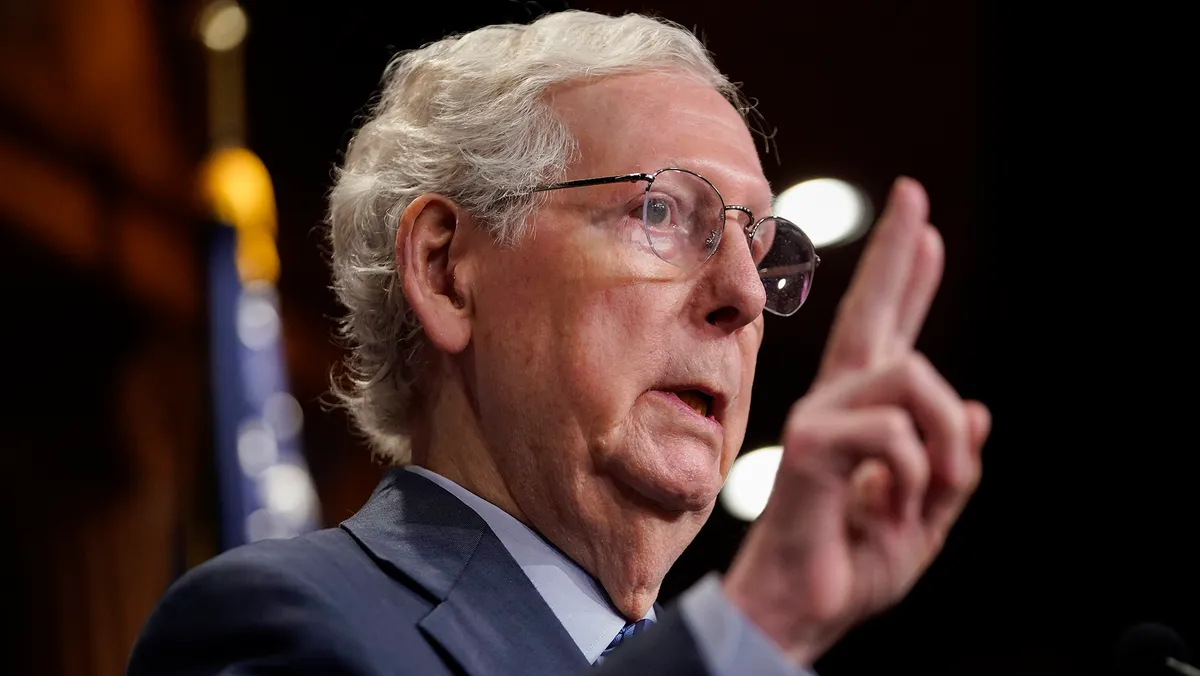
Republican Lawmakers Join Democrats in Questioning McConnell’s Condition
Cybersecarmor.com – For weeks, the political landscape has been dominated by questions surrounding Senator Mitch McConnell’s health. While Democrats have been vocal about their concerns, the call for transparency has now gained significant momentum from within the Republican Party itself. The 84-year-old Kentucky senator has been hospitalized in Washington, DC, for nearly a month, yet his office has maintained silence regarding the specific medical reasons for his admission.
McConnell holds the distinction of being the longest-serving Senate party leader in American history. Despite this lengthy tenure, his staff has not provided a clear explanation for why the veteran lawmaker required hospitalization. On July 7, McConnell’s office attempted to calm public anxiety by distributing statements from various allies who claimed to have recently conversed with the senator. However, these communications failed to satisfy all critics.
Internal Republican Pressure Mounts
At least two members of the Republican House delegation took to social media platforms this week to express their frustration. They argued that government officials who disappear from public view for extended periods owe voters greater clarity about their wellbeing. Rep. Nancy Mace of South Carolina was particularly vocal, drawing parallels between McConnell’s situation and the concerns raised about former President Joe Biden during the latter stages of the 2024 election cycle.
“If McConnell is in as bad a shape as Biden ever was – or worse – he needs to step aside,” Mace declared in her July 9 message on X. “This charade can’t continue. We can’t demand of others what we won’t demand of ourselves.”
Rep. Marlin Stutzman from Indiana echoed these sentiments in a separate social media post. He specifically referenced Biden’s widely criticized debate performance against Donald Trump in 2024, an event that ultimately precipitated the former president’s unexpected withdrawal from the race. Stutzman noted that Biden was three years younger than McConnell at the time of that pivotal debate.
“We are now witnessing a similar scenario on our side, and Republicans should be holding our own party accountable instead of tiptoeing around the truth,” Stutzman stated. “Mitch McConnell’s constituents deserve to know where he is at, the fact they don’t is discouraging and concerning. There is too much at stake for America in the Senate not to know.”
Historical Context and Broader Implications
Congress has historically grappled with how to address concerns regarding aging or ill members of the chamber. The question of how much health information should be shared with the public remains contentious. During much of 2023, the late Senator Dianne Feinstein of California faced persistent health challenges before passing away in office at age 90. Reports indicated she experienced memory lapses and required hospitalization for shingles.
Brad Polumbo, co-founder of the nonprofit media organization BasedPolitics, suggested a structural solution in a July 8 post on X. He advocated for a constitutional amendment that would establish age limits for all positions that currently have minimum age requirements.
McConnell, who was first elected to Congress in 1984, was admitted to the hospital on June 14. At that time, staff members mentioned he was receiving “excellent care” but did not specify the underlying medical issue. A 911 call that was subsequently made public revealed that someone at a Washington, DC, residence connected to McConnell required CPR on the morning he was transported to the hospital.
Recent Statements and Public Reaction
In response to the growing number of questions, the former GOP leader’s office issued a series of statements from Senate Majority Leader John Thune, Senate Majority Whip John Barrasso, and Scott Jennings, a conservative CNN commentator and close ally of McConnell. Each individual claimed to have spoken with the senator in recent days, attempting to reassure constituents and political observers that there was no need for alarm.
These statements, however, sparked a wave of humorous memes across social media, with numerous individuals mockingly claiming they too had recently conversed with the senator. McConnell’s prolonged absence also follows controversy surrounding New Jersey Representative Thomas Kean Jr., who missed four months of congressional duties due to depression, a condition he explained upon his return.
This is not McConnell’s first health-related challenge. A survivor of polio, the Kentucky senator plans to retire next year after more than four decades of service. His health issues began escalating in 2019 when he tripped and fell at his Louisville home, resulting in a fractured shoulder. The situation deteriorated further in 2023 when he collapsed on at least three occasions, sustaining a concussion and a broken rib that eventually necessitated the use of a wheelchair.
During this period, McConnell also experienced several instances where he appeared to freeze while speaking in public settings. These episodes prompted additional scrutiny regarding his ability to fulfill his duties. In February, he was hospitalized once again for flu-like symptoms. Kentucky Governor Andy Beshear, a Democrat, sent a letter on July 8 addressing the ongoing concerns.
The senator’s office has not yet provided an immediate response to USA TODAY’s inquiry regarding the comments made by Mace and Stutzman. These two representatives represent the first Republican officials to publicly demand greater transparency regarding McConnell’s condition. As the political community awaits further developments, the question of whether McConnell should continue serving or step aside remains at the forefront of congressional discourse.