
Denmark’s Frederiksen bruised in election, as voters put Trump’s Greenland ambitions to the side
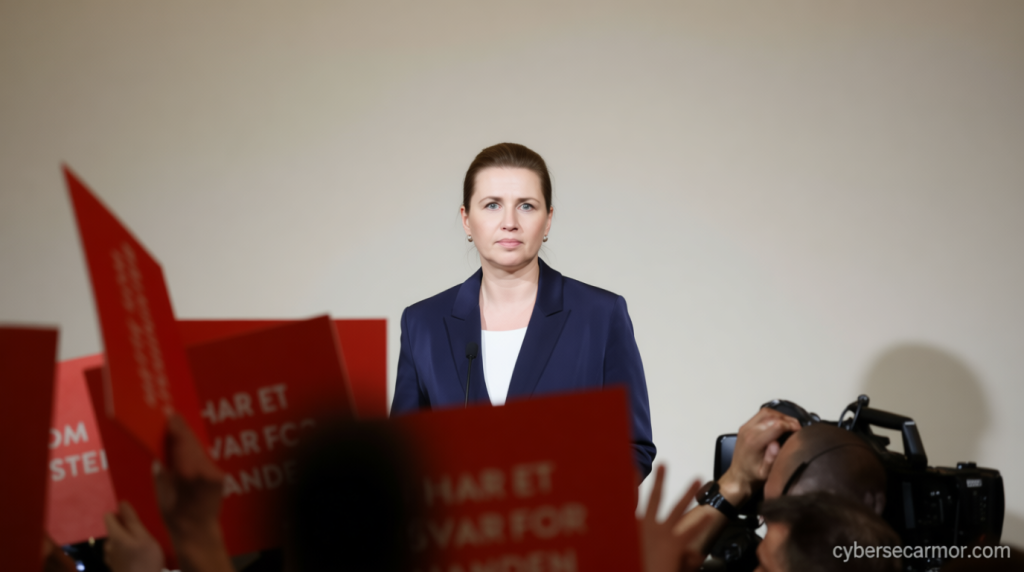
Denmark’s Frederiksen bruised in election, as voters put Trump’s Greenland ambitions to the side
Denmark’s recent election, held on Tuesday, produced an uncertain outcome that has cast doubt on the future of its prime minister. The campaign centered on everyday concerns rather than the contentious issue of U.S. President Donald Trump’s interest in Greenland. Official results indicated that Mette Frederiksen’s center-left Social Democrats lost support compared to the 2022 election, as did her coalition partners. Neither left-wing nor right-wing groups secured a majority in the 179-seat parliament, leaving Lars Løkke Rasmussen, the seasoned Foreign Minister and former prime minister, in a pivotal position to decide Frederiksen’s fate.
Political Shift and Coalition Dynamics
Rasmussen’s centrist Moderate party, which holds 14 parliamentary seats, now holds the balance of power. The party’s potential to influence the outcome has raised questions about whether Frederiksen can continue her leadership. Despite her readiness to stay in office, Frederiksen acknowledged a drop in public confidence, citing the global upheaval and challenges faced by Denmark. “The world is unsettled. There are strong winds around us,” she stated. “Denmark needs a stable government, a competent government. We are ready to take the lead.”
“Denmark needs a stable government, a competent government. We are ready to take the lead.”
Meanwhile, Rasmussen urged opponents to soften their positions. “We are one tribe. We must come together. We must not be divided,” he said, emphasizing Denmark’s role as a small nation of 6 million people in a turbulent global environment. The Liberal Party’s Troels Lund Poulsen, a leading center-right contender, expressed his intent to break from Frederiksen’s Social Democrats, even as the former ruling party remained the largest single faction.
Campaign Issues and Voter Priorities
The Social Democrats’ vote share fell to 21.9%, a significant drop from the 27.5% recorded in 2022. This decline reflects shifting public focus, with voters prioritizing domestic concerns like living costs, pensions, and a potential wealth tax over international matters. While Trump’s push for Greenland control was a key talking point, the issue no longer dominated the discourse, as consensus on the island’s status within the Danish kingdom has eased tensions.
“We are one tribe. We must come together. We must not be divided.”
Frederiksen had previously warned that a U.S. acquisition of Greenland would threaten NATO’s unity. However, after Trump retreated from imposing tariffs on European allies, the crisis has eased, allowing technical talks on an Arctic security agreement to proceed. The election results underscore a broader trend: no single party is expected to claim a majority, reinforcing Denmark’s tradition of forming coalition governments through parliamentary negotiations.
Denmark’s Folketing, the single-chamber legislative body, is elected every four years. Of its 175 seats, two are allocated to Greenland’s representatives, highlighting the nation’s commitment to its territory despite its small population. The outcome of this election will shape the country’s political direction, with Frederiksen’s future now hanging in the balance.
