
Iran gives negative response to US ceasefire plan amid push for talks
Iran gives negative response to US ceasefire plan amid push for talks
Iranian officials initially voiced discontent with a US proposal for a ceasefire, despite ongoing diplomatic efforts to broker peace. According to reports, representatives from Pakistan, who delivered the plan to Tehran, outlined a 15-point agreement that would grant Iran sanctions relief, reduce its nuclear program, limit missile use, and reopen the Strait of Hormuz—a critical artery for 20% of global oil trade. The plan also aimed to curb Iran’s support for armed groups in the Middle East, as noted by an Egyptian official.
Some elements of the proposal had previously stalled negotiations before the conflict escalated. A senior Iranian official, speaking to Al Jazeera, called it “extremely maximalist and unreasonable,” while others indicated the country was still evaluating the terms, viewing them as overly favorable to US interests. Earlier, Iran had dismissed diplomatic overtures, mocking President Donald Trump and accusing Washington of self-dealing.
Escalating tensions and strategic moves
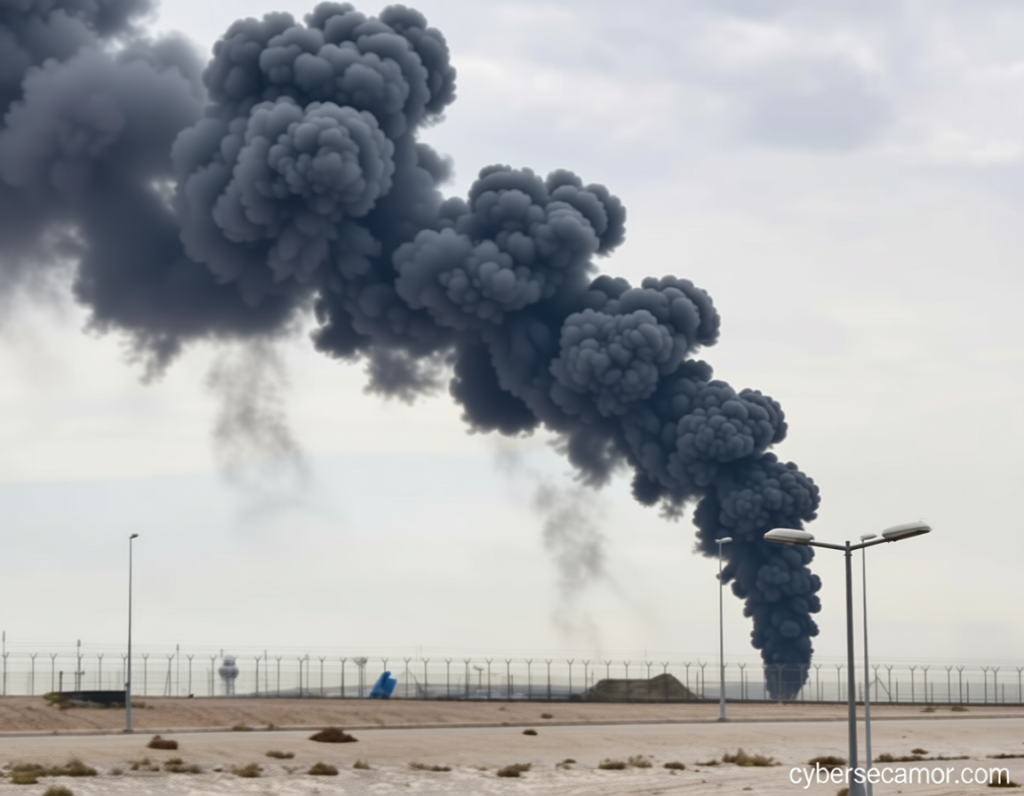
Overnight and on Wednesday, Iran intensified its attacks on Israel and Gulf nations, including a strike that ignited a major fire at Kuwait International Airport. Meanwhile, Israel persisted with its aerial strikes on Iranian targets. Lt Col Ebrahim Zolfaghari, an Iranian military spokesperson, reiterated the nation’s stance: “Someone like us will never come to terms with someone like you.”
Many components of the 15-point plan were not entirely novel, having been discussed during pre-war negotiations. Iran had resisted concessions on its ballistic missile program and regional alliances, which it considers vital for defense against US and Israeli military superiority. Egyptian and Pakistani officials hinted that in-person talks might commence as early as Friday, with Pakistan or Turkey potentially hosting the discussions.
US diplomatic maneuvers and internal pressure
Trump claimed the US was negotiating with a faction within the Iranian government, engaging figures like Jared Kushner, Steve Witkoff, Marco Rubio, and JD Vance. Kushner and Witkoff reportedly advocated a one-month ceasefire during talks. However, Iranian foreign ministry and military officials contested this, denying direct involvement in the negotiations. The skepticism stems from prior attacks on Iran during diplomatic discussions, including the US strikes on nuclear facilities last summer and the recent conflict that disrupted progress toward a broader deal.
Domestically, pressure mounted on Trump to end the war, as Iranian assaults on Gulf energy infrastructure and the near-blockade of Hormuz drove global oil prices higher. The announcement of the 15-point plan led to a temporary drop in oil prices, with investors anticipating a resolution to the decade-long energy crisis. A new poll revealed 59% of Americans believe the US involvement in Iran has “gone too far,” pushing Trump’s approval rating to a record low of 36%, per a Reuters survey.
Meanwhile, Israel continued its military campaign, aiming to weaken the Iranian regime. Israeli officials were reportedly taken aback by the US’s ceasefire initiative, as the country sought to maintain pressure on Tehran. As talks remained uncertain, the US expanded its military presence in the Middle East, with the Associated Press reporting the deployment of at least 1,000 troops from the 82nd Airborne Division, alongside 5,000 additional marines and thousands of sailors.
