
Trump and Greenland loom over Denmark’s snap election, but voters appear focused on other issues. Here’s what to know
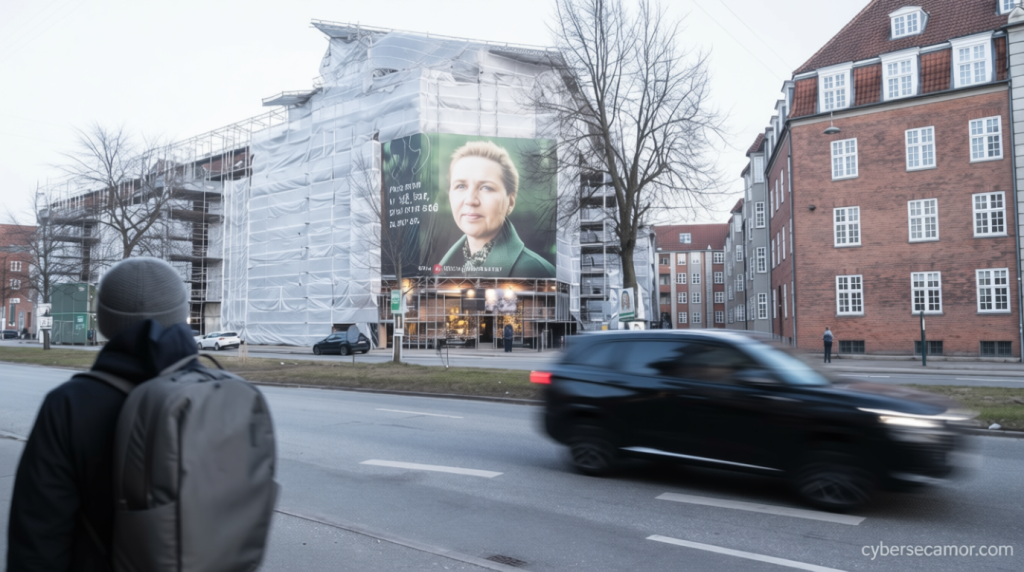
Denmark’s Snap Election: Trump’s Influence and Greenland’s Role, Yet Voters Prioritize Domestic Concerns
Denmark’s Prime Minister Mette Frederiksen is leveraging the theme of stability amid uncertainty for her campaign, aiming to regain momentum in the wake of a recent political setback. The election, held on Tuesday, comes as she seeks a third term in leadership, though her government faces mounting pressure from rising living expenses and inequality. Despite the international spotlight on her handling of the Greenland dispute with the Trump administration, domestic issues dominate the conversation at home.
Geopolitical Tensions and Domestic Priorities
Frederiksen’s international standing has been bolstered by her assertive responses to global events such as the Ukraine conflict, the sabotage of the Nord Stream pipeline, and Donald Trump’s threats over Greenland’s sovereignty. These actions helped her party, the Social Democrats, recover from earlier losses. After struggling in local elections and slipping to 17% in December polls, the party rebounded to 20.9% in recent surveys conducted by Megafon for Danish media outlets TV2 and Politiken.
“The campaign is largely centered on everyday concerns,” noted Ulrik Pram Gad, a senior researcher at the Danish Institute for International Studies. “While she attempted to harness the ‘rally around the flag’ effect, the real focus has shifted to economic and environmental challenges.”
Voters are particularly anxious about the cost-of-living crisis, which includes soaring housing, food, and energy prices. Frederiksen has pledged to step in with food and heating assistance if inflation worsens due to the Iran war. Meanwhile, debates over nuclear energy and immigration policy remain heated, alongside more localized topics like the welfare of farm pigs.
The Political Landscape and Strategic Challenges
Denmark’s election system is complex, with 12 major parties competing for influence. This often results in coalition governments, requiring immediate compromises. The race is tightly contested due to the fragmented political landscape, which means Greenland’s two parliamentary representatives could sway the outcome significantly.
Frederiksen’s main rivals include Troels Lund Poulsen, the current Defense Minister and leader of the center-right Liberal party, who polls at 10.1%. Another contender, Alex Vanopslagh of the Liberal Alliance, has faced challenges from a cocaine scandal. The Red Bloc, representing left-leaning parties, is projected to secure 86 seats, falling short of the 90 needed for a majority. If the Moderates, led by Foreign Minister Lars Løkke Rasmussen, join the right-leaning Blue Bloc, they could reach 89 seats, potentially altering the balance of power.
While Trump’s rhetoric and Greenland’s status remain in the background, Danish voters are more focused on immediate economic concerns. The election’s outcome will depend on whether the Red Bloc can maintain its narrow lead in a closely divided parliament.

