
Syria walks back Damascus alcohol ban after outcry from residents
Syria walks back Damascus alcohol ban after outcry from residents
Syrian officials reversed a newly imposed alcohol prohibition in Damascus following public resistance and allegations of religious bias. The decision came after widespread criticism from citizens and accusations that the policy favored specific religious groups.
Initial Restrictions and Exceptions
In a Monday directive, Damascus declared that “alcoholic beverages cannot be sold in restaurants and nightclubs citywide,” excluding the Christian quarters of Bab Touma, Qassaa, and Bab Sharqi. The rationale cited “many” complaints from locals, aiming to “eradicate customs conflicting with public morality.”
Clarification and Apology
After Sunday protests, the governorate released a statement easing the restrictions. It confirmed exceptions for alcohol sales in tourism venues like hotels and designated eateries. The document also apologized to Christian communities, acknowledging the misinterpretation of the initial order.
“The Damascus Governorate apologises to our people in Bab Touma, Qassaa and Bab Sharqi for the misunderstanding that arose from the decision, which was circulated inappropriately,” the statement said.
Context of Transitional Authority
Since toppling Bashar al-Assad in December 2024, the interim government led by President Ahmed al-Sharaa has generally avoided imposing strict social controls. However, recent measures—such as a January ban on female public sector workers wearing makeup and mandatory full-body swimsuits on public beaches—have sparked concerns about shifting toward more conservative policies.
Sectarian Concerns and Protests
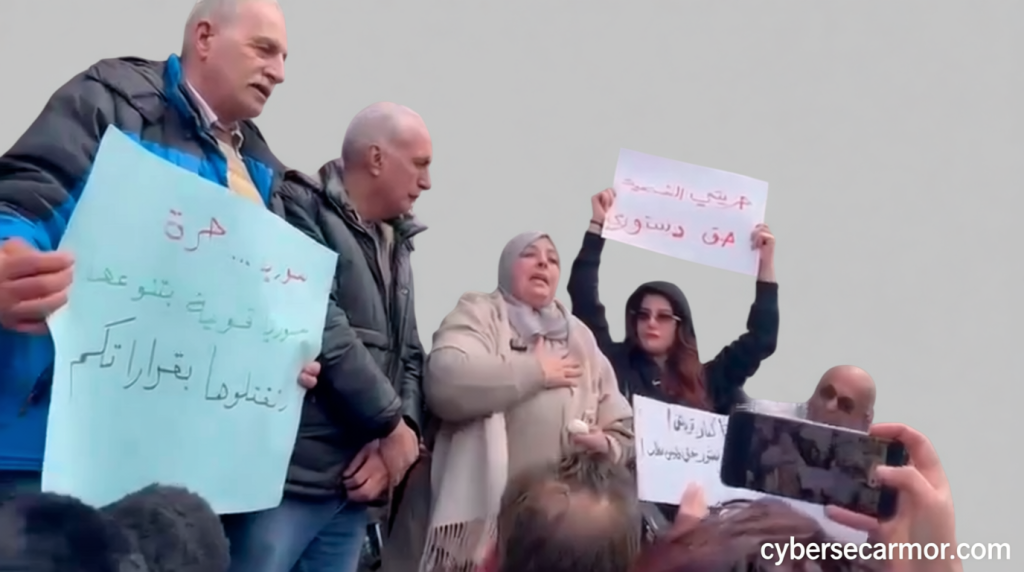
Residents of Bab Touma staged demonstrations against multiple grievances, including the alcohol restrictions. Protesters, comprising both Muslims and Christians, called the law “sectarian,” warning it risks undermining social unity. Christian advocacy groups also joined the criticism, arguing the policy could expose their community to renewed threats.
“Restricting alcohol sales to predominantly Christian areas could make these regions prime targets for terrorist attacks, given the painful history of targeting Christians in Syria,” the statement said.
Political Challenges and Electoral Process
The transitional government faces ongoing challenges in stabilizing the country, countering Israeli strikes, and navigating alliances. In October, parliamentary elections were held, with Sharaa personally selecting a third of the seats while the remaining two-thirds were assigned by local committees of appointed officials. This process left Sweida’s Druze-majority province and the Kurdish-held northeast without representation.
Legislative Framework and Criticism
Under a temporary constitution ratified in March, the parliament will handle legislative duties until a permanent framework is established. The new authorities claim popular elections are impractical due to the devastation of Syria’s 13-year conflict, which caused hundreds of thousands of deaths and millions of displacements. Yet, this method disappointed pro-democracy activists who had anticipated reforms post-Assad’s removal.

