Nolan Wells case takes turn with Ben Crump hire. Latest on investigation.

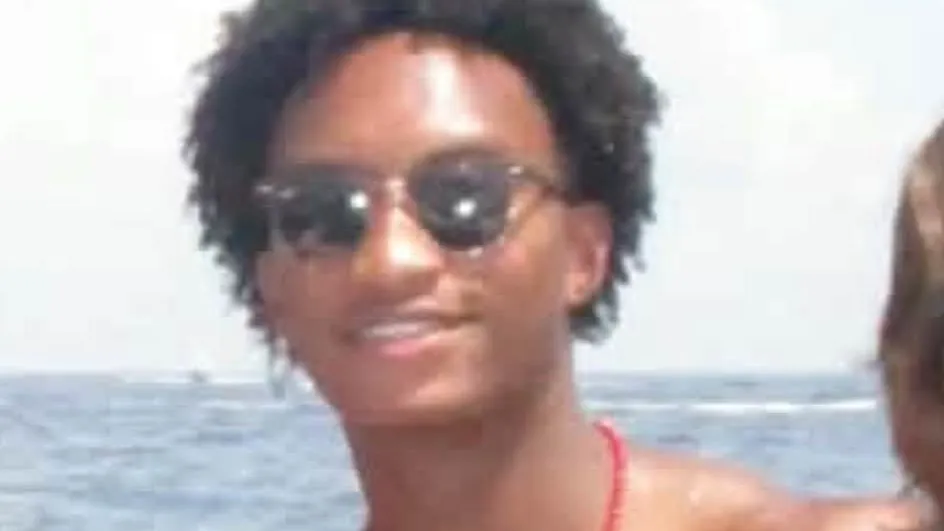
Nolan Wells Investigation Deepens as Prominent Attorney Joins Family’s Search for Truth
Cybersecarmor.com – The family of Nolan Xavier Wells is navigating a difficult period as they seek clarity following the discovery of a body during an extensive search operation. The missing teenager, who was 18 years old, had been traveling with friends on a Fourth of July excursion when he failed to return to the mainland. The search efforts eventually led rescuers to locate remains in the waters surrounding Horn Island, a remote location off the Mississippi coast.
As authorities continue their investigation, civil rights and personal injury attorney Ben Crump announced on July 7 that he has been retained by the Wells family. Crump expressed his commitment to uncovering the complete circumstances surrounding his client’s disappearance and death.
“Nolan Wells was a beloved son, teammate and friend who went out to celebrate the Fourth of July and never came home. His family deserves answers. They deserve the truth,” Crump stated in a formal announcement. “We will not rest until every fact about what happened to Nolan on Horn Island is brought into the light, and we call on investigators to pursue this case with the urgency and transparency this family deserves.”
Timeline of Events and Search Operations
According to coverage from the Clarion Ledger, which operates as part of the USA TODAY Network, Wells was last observed on the northwest section of Horn Island during the afternoon of July 4. The island sits approximately 10 miles from Mississippi’s Gulf Coast shoreline. The National Park Service classifies Horn Island as a designated wilderness area, noting that commercial development has not altered its natural landscape. Access to the island requires a private boat, making it relatively secluded from everyday visitors.
Wells had joined several companions for a holiday celebration on the island. When the group returned to the mainland without him, his mother filed a missing person report. The Jackson County Sheriff’s Office coordinated land and water search operations throughout July 5 and 6. Multiple agencies contributed to the effort, including the Mississippi Department of Marine Resources, National Park Service personnel, the U.S. Coast Guard, the United Cajun Navy, and numerous community volunteers.
Search coordinators decided to conclude operations on the morning of July 6 after a park ranger spotted a body floating in the waters near the island. Jackson County Coroner Bruce Lynd told the Sun Herald that the recovered remains corresponded with Wells’ physical description. However, the Mississippi State Medical Examiner’s Office has not completed DNA identification procedures as of the latest update.
Investigation Developments and Community Response
Crump’s office confirmed that an autopsy was planned for July 7. The case received national attention when it appeared on “Good Morning America” on July 7. During the broadcast, reporters indicated that investigators are examining the possibility that Wells drowned. An official determination of cause of death remains pending.
Jackson County Sheriff John Ledbetter participated in the television segment, providing additional context about the situation. “They left and went back without Nolan ‒ from what we understand ‒ he chose to stay there,” Ledbetter explained. The sheriff also emphasized that authorities continue to request information from anyone who might have knowledge of the events.
TMZ reported that the sheriff’s office is reviewing a social media video that appears to capture an argument among individuals on Horn Island during the holiday. The footage shows a crowded beach scene, though it remains uncertain whether this particular incident connects to Wells’ case.
Wells’ mother, Christine Wonsley, maintained an active presence on social media throughout the search period. She regularly shared updates and requested assistance from the public. Following the body’s discovery, Wonsley requested that the family receive privacy during their mourning period. In a Facebook message dated July 6, she expressed gratitude to everyone involved in the search effort and acknowledged the community’s prayers and encouragement.
“His father, our family, friends and I are absolutely devastated,” Wonsley wrote. “My heart is broken for my sweet son who was always willing to cheer and uplift others. Nolan was a special soul, God took his time creating our son.”
Memorial Fund and Legacy
Following the tragedy, multiple fraudulent GoFundMe accounts emerged online, none of which were connected to the family. Wonsley clarified through a Facebook post that her friend Allayah Denis established the sole authorized fundraising page. The legitimate campaign has already collected $197,000, surpassing its initial $120,000 target for funeral costs and family support.
The fundraising page characterizes Wells, who would have celebrated his 19th birthday the following month, as a “beloved son, grandson, brother, friend and teammate whose life touched so many people. His smile, kind heart, and love for others left a lasting impact on everyone who knew him.”
Wells was recognized as a dedicated athlete who participated in multiple sports throughout his life. He competed on the football squad at Southwest Mississippi Community College. On the evening of July 6, President Steven Bishop issued an official statement honoring his student.
“Nolan was an exemplary student, athlete, friend, and teammate. We remember Nolan as a well-respected young man who was very popular among friends,” Bishop’s statement read.
As the investigation progresses, the community continues to rally around the Wells family, offering support while awaiting further developments in the case.