
Children’s entertainer Ms. Rachel has a new cause: Freeing kids from ICE detention
Children’s entertainer Ms. Rachel has a new cause: Freeing kids from ICE detention
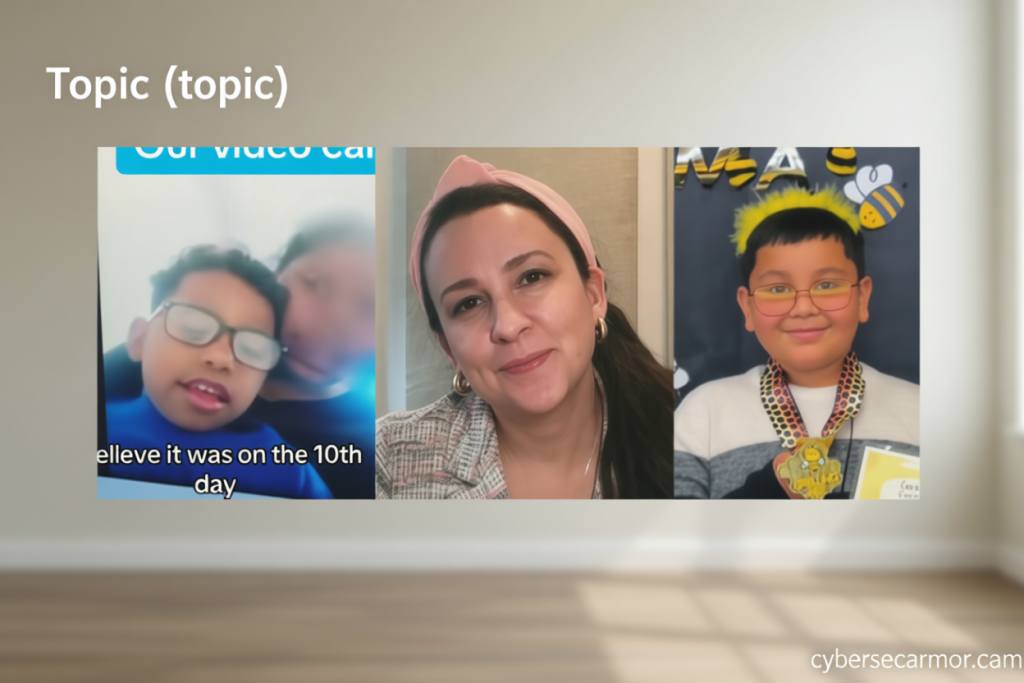
A child’s voice trembled with distress in a shaky video transmission. “I don’t want to be here anymore,” he said. “Nothing is good here.” The boy, Deiver Henao Jimenez, was 9 years old and had been confined with his parents at the Dilley Immigration Processing Center in South Texas since early March. His words captured the anxiety of children held in the facility, where reports of inadequate education, unceasing lights, and questionable meals have surfaced. This week, he spoke with Ms. Rachel, a beloved children’s entertainer, during a virtual session aimed at offering solace.
Wearing her trademark pink headband, Accurso—Ms. Rachel’s real name—tilted her head as she listened to Deiver’s worries. “Oh, I’m so sorry,” she responded, her tone warm and soothing, a sound many parents and kids recognize. “Lots of people want to help.” The boy shared his longing for friends and described how the food at Dilley left his stomach unsettled. Yet, his deepest fear was about missing the spelling bee he had previously won, a regional contest that had secured his spot at New Mexico’s state competition in May.
“It was unbelievably surreal to see this sweet little face and feel like I was on a call with somebody who’s in jail,” Accurso told NBC News. “It broke me, and it was something I never thought I’d encounter in life.”
Accurso’s awareness of Dilley began in January, when immigration agents detained the father of 5-year-old Liam Conejo Ramos in Minneapolis. The child’s image—dressed in a blue bunny hat and a Spider-Man backpack—became a symbol of the facility’s impact. The story gained national attention, prompting debates about family detention. Liam’s family was eventually released, but their asylum request was denied this week.
During the first year of the Trump administration’s intensified immigration enforcement, over 2,300 children were placed in custody with their parents, with the vast majority at Dilley, according to court-appointed monitors. The children have endured weeks or months in the facility, often facing challenges like poor nutrition and medical anxieties. Parents and lawyers have recounted instances of families losing weight after discovering worms in their meals and children growing restless under constant guard presence.
Ms. Rachel’s Growing Concern
Accurso, whose videos for infants and toddlers have made her a household name, has since expanded her advocacy beyond global crises. She highlighted the struggles of children in war zones, including Gaza, Sudan, and the Democratic Republic of Congo, raising substantial funds while drawing criticism from those who argue she favors certain perspectives in international conflicts. Her guiding principle remains: “I see all children as precious and equal.”
After speaking with Deiver and another boy at Dilley last week, Accurso announced a new mission focused on U.S. families. She now collaborates with legal experts and advocates to push for the center’s closure, aiming to reunite children with their parents in their communities. The facility’s population has dropped from around 500 in January to about 50 this week, a shift attributed to ongoing pressure from human rights groups, Democratic lawmakers, and legal teams.
“The more I read about Dilley after Liam’s detention, the more unsettled I became,” Accurso said. “Then, last week, I got to hear directly from children held there.”
Journalist Lidia Terrazas of the Spanish-language network N+ Univision arranged the video call, having documented Dilley’s conditions for months. While the Department of Homeland Security disputes claims of poor treatment, labeling them as “mainstream media lies,” it emphasizes that the center is designed to provide comprehensive care for families. Despite this, the recent decrease in detainees has sparked discussions about the facility’s current state and future operations.

