
Police to use Thames to separate protesters at Al Quds protest
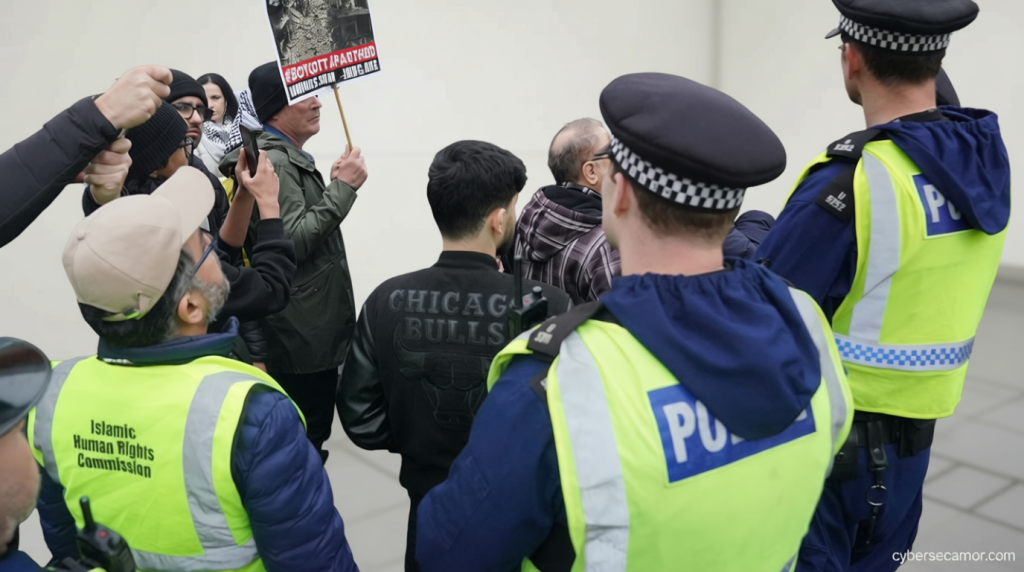
London Police Deploy Thames as Protest Dividers
Authorities in central London plan to utilize the River Thames to segregate demonstrators and counter-protesters during the upcoming Al Quds Day gathering on Sunday. The Metropolitan Police’s decision aims to manage tensions between the groups ahead of the event.
Banned March Sparks Controversy
A protest march to the Home Office had been suspended earlier this week following approval from Home Secretary Shabana Mahmood. The Met cited concerns about potential serious public disorder as the rationale for the blockage.
“The use of the Thames as a buffer between opposing groups is a new bespoke tactic to tackle the unique set of circumstances the Al Quds rally brings,” stated Assistant Commissioner Ade Adelekan during a Thursday briefing.
Organizers Deny Political Motive
The Islamic Human Rights Commission (IHRC), which organized the event, maintains that the protest will proceed as a “static” gathering. They argue the ban reflects a “politically charged decision” and insist the demonstration remains peaceful and pro-Palestinian.
This marks the first time the Met has banned a protest march in 14 years. The decision followed an analysis of the rally’s historical context, community tensions, and an “intelligence gap” among other factors.
Logistics and Safety Measures
The Met anticipates at least 6,000 participants in the Al Quds protest, with an additional 6,000 counter-protesters expected. They warned that the volatile Middle East situation could lead to “significantly more” attendees.
Protesters will gather south of the Thames on Albert Embankment, while counter-protesters are to be confined to Millbank. Lambeth and Vauxhall Bridges will be closed to all vehicles except emergency services.
Over 1,000 officers, including community police and forces from other regions, will oversee the event. Enhanced patrols will also be deployed in areas with large Jewish communities.
Strict Enforcement Strategy
Mr. Adelekan emphasized that officers will be instructed to act decisively, addressing placards, flags, and chants as part of their response. A “zero tolerance approach” to hate crime will be enforced, with arrests possible for individuals endorsing proscribed groups.
While the ban does not entirely eliminate disorder risks, it will simplify policing, according to the assistant commissioner. The strategy underscores the Met’s efforts to control the situation amid heightened regional tensions.
Historical Context of the Rally
The Al Quds Day tradition originated after the 1979 Iranian Revolution and typically occurs on the final Friday of Ramadan. Global marches are held to show solidarity with Palestine, as described by the IHRC.
Read more: Iran war latest | How Iran blocks the Strait of Hormuz
Be the first to get Breaking News — Install the Sky News app for free

