‘Free speech’: Trump aide pressed to condemn White nationalist group

Free Speech Debate Intensifies as Trump Aide Faces Questions Over White Nationalist Ties
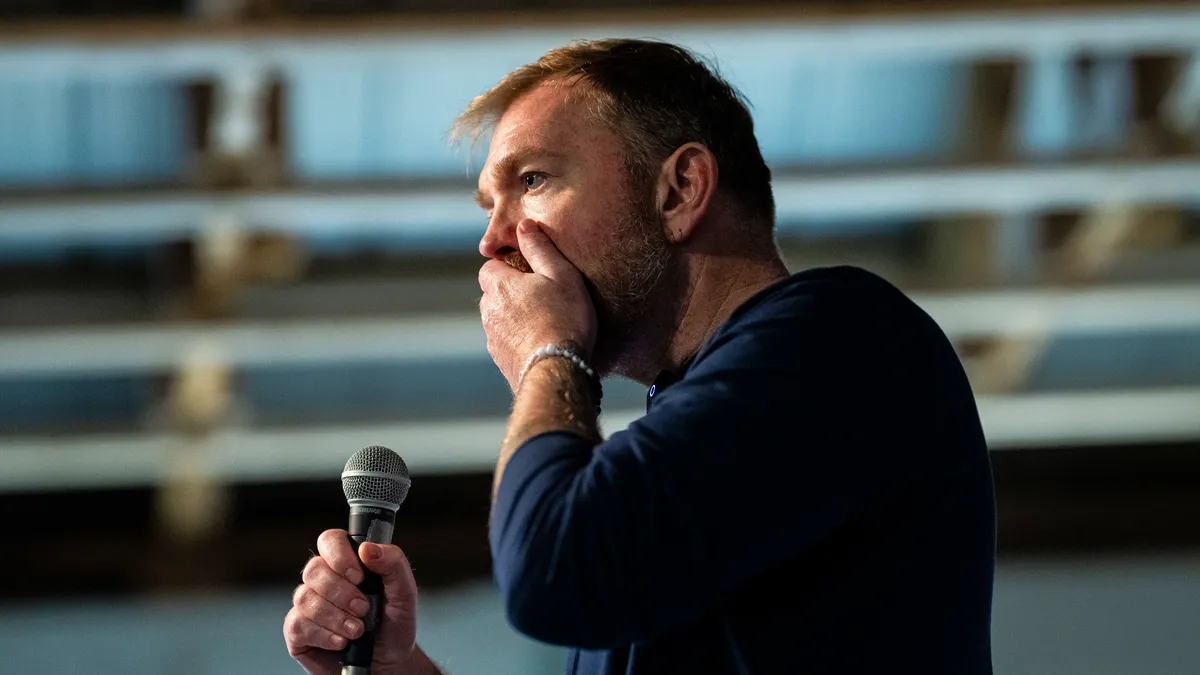
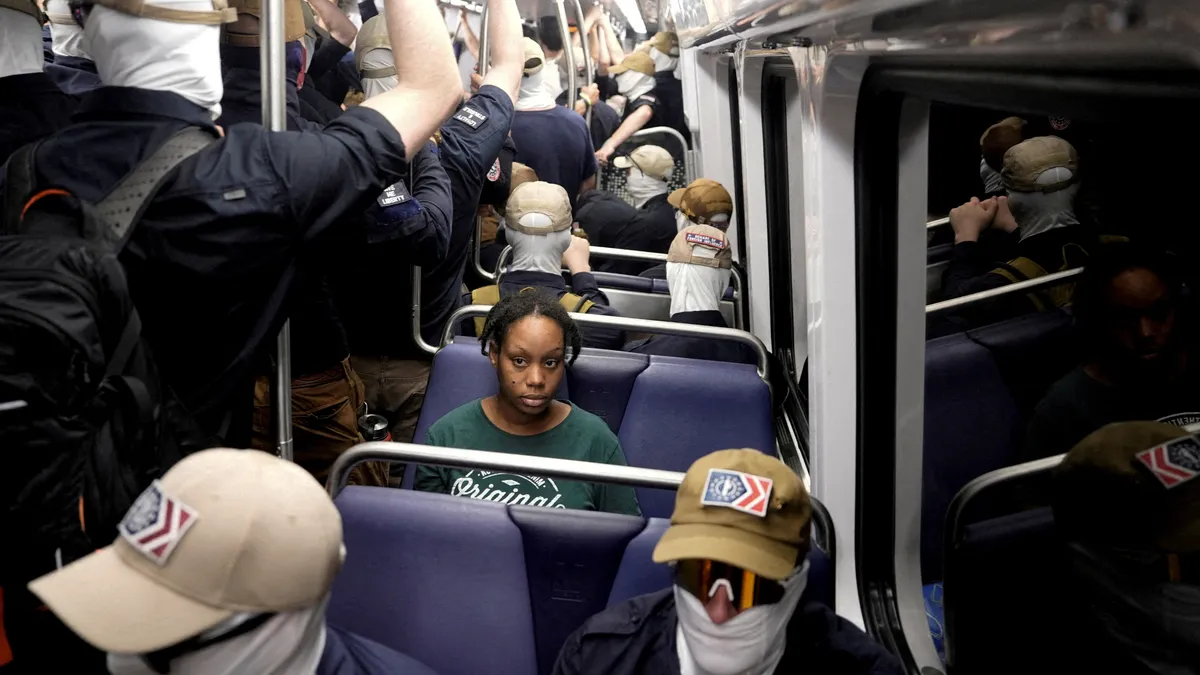
Cybersecarmor.com – On July 4, a group of white nationalists known as the Patriot Front drew national attention after marching through Washington, D.C., during the nation’s 250th anniversary celebrations. Among those questioned about the group’s activities was Doug Burgum, the former North Dakota governor and current U.S. Interior Secretary. During an interview on CNN’s “State of the Union,” host Dana Bash pressed Burgum on the group’s presence, highlighting a viral photo that captured a tense moment between a Black woman and masked members of the far-right organization.
The Viral Moment at Union Station
The image, taken by Reuters freelancer Cheney Orr, showed a Black woman surrounded by Patriot Front members on a train car. The scene, which quickly circulated online, sparked debate about the group’s ideology and their role in public demonstrations. Bash noted the photo as part of a broader discussion, asking Burgum if he shared concerns about the group’s actions. The Interior Secretary, a former Microsoft executive, responded with a defense of free speech, framing the issue as a reflection of America’s foundational values.
Burgum acknowledged the group’s visibility but emphasized that their presence was a testament to the country’s commitment to expression. “We know from our very founding that this is something that divided our nation,” he said, before shifting to praise the leadership of Abraham Lincoln during the Civil War. His remarks underscored the tension between liberty and the controversies surrounding the Patriot Front, a group that has gained notoriety for its association with white supremacist rhetoric.
Origins of the Patriot Front
Founded in 2017 by Thomas Rousseau, the Patriot Front emerged in the wake of the “Unite the Right” rally in Charlottesville, Virginia. That event, which drew thousands to the streets, became a flashpoint for debates over free speech and racial ideology. The group’s formation was partly inspired by the rally, where counterprotester Heather Heyer was fatally struck by a car during a confrontation between white nationalists and anti-racist demonstrators.
While the Patriot Front claims to champion American ideals, its members often display symbols linked to white supremacy. Videos shared online show dozens carrying the group’s flag alongside Confederate flags and variations of the U.S. flag, chanting slogans like “Reclaim America.” These visuals have fueled criticism, particularly in the context of the July 4 protests that took place near Union Station and the Eastern Market metro stop. Despite their involvement in major Independence Day events, the group was not prominently featured in the city’s main festivities, raising questions about their influence and messaging.
Defending Free Speech Amid Rising Concerns
Burgum’s response to Bash’s questioning centered on the principle of free speech, which he described as a cornerstone of American democracy. “What they stand for is nothing that I could possibly agree with,” he said, but added that the nation’s commitment to expression allows for a spectrum of ideas. His comments echoed a broader argument that even controversial groups, such as those promoting communism, can gain political traction in the U.S., despite conflicting with traditional values.
“There are plenty of things that I see that I might personally find offensive, [reprehensible], but in America, free speech is allowed and this is by the whole spectrum of things,” Burgum stated. His defense contrasted the Patriot Front’s ideology with the nation’s founding principles, asserting that the U.S. remains exceptional because of its ideals of equality and liberty.
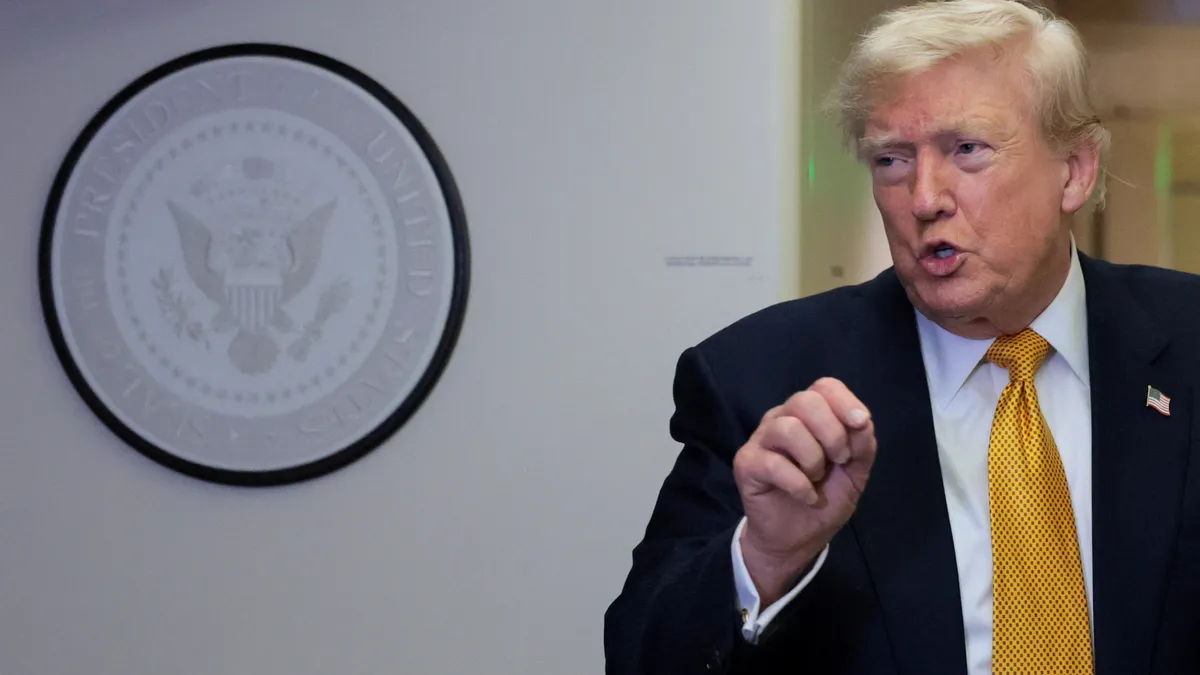
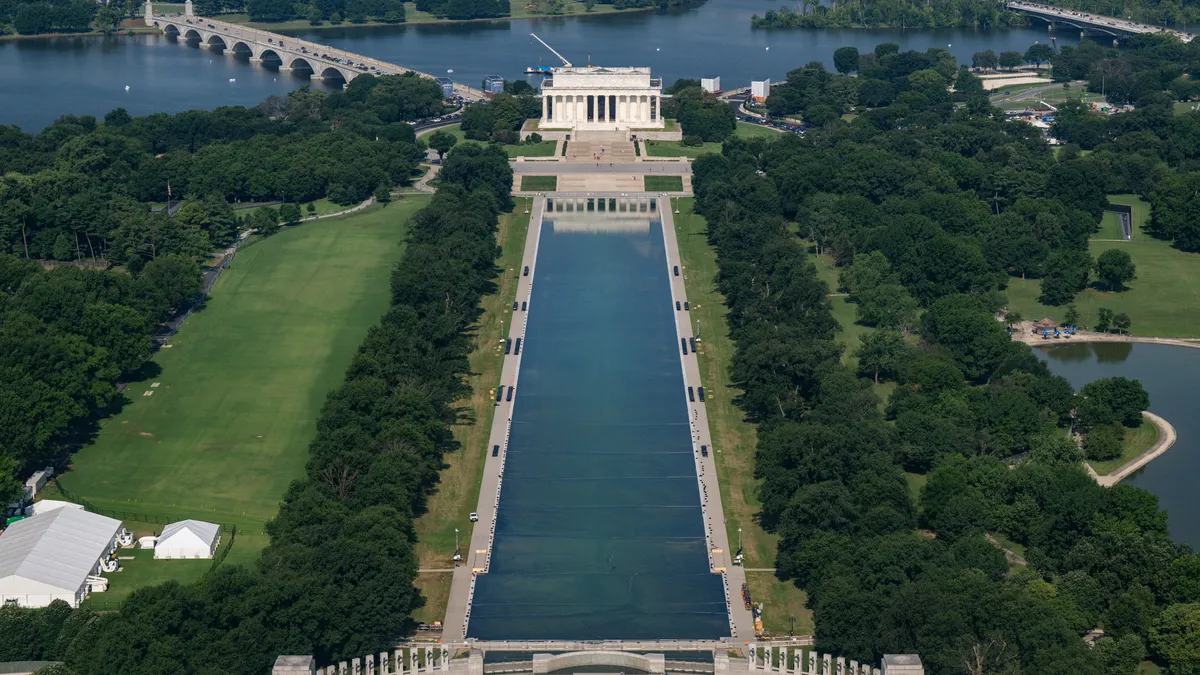
Bash pressed further, asking if Burgum would recommend President Trump condemn the group. The Secretary of the Interior replied by referencing other protests that have occurred in the nation’s capital, such as those targeting Trump himself. “Part of my response to that is there are protests on the National Mall where people say things I think are [reprehensible] about President Trump, and yet they’re allowed to go on because of free speech in our country,” he explained.
This analogy highlighted the complexity of the issue, as Burgum suggested that criticism of Trump could be as controversial as the Patriot Front’s stance. However, it also underscored the difficulty of distinguishing between legitimate dissent and extremist ideology. The group’s activities during the July 4 celebrations, which included a mix of symbolic gestures and political messaging, have drawn scrutiny from both supporters and detractors of Trump’s administration.
Public Reaction and Political Context
While the Patriot Front’s presence at the capital’s main train station and metro stop was notable, their impact on the broader public narrative remains a topic of discussion. Some argue that the group’s actions represent a growing trend of white nationalism, while others see them as a reflection of the diverse voices that define American democracy. Burgum’s remarks, however, have been interpreted by critics as a reluctance to fully condemn the group’s platform, despite its association with racially charged rhetoric.
The July 4 protests, which took place in a city known for its historical significance, have also sparked conversations about the role of free speech in shaping national identity. While the group’s members walked through the streets, they were not widely seen at the main Independence Day events, such as fireworks displays or patriotic parades. This contrast has raised questions about the group’s priorities and whether their message aligns with the spirit of the day.
As the conversation unfolded, Bash’s focus on the Patriot Front’s activities reflected the broader interest in how Trump’s allies engage with issues of race and ideology. Burgum’s defense of the group’s right to express their views, even when those views challenge traditional American values, suggests a commitment to preserving the freedoms that define the nation. Yet, his stance has also been seen as a potential signal of support for the group’s objectives, particularly given their alignment with some of Trump’s rhetoric during his presidency.
The debate over free speech and white nationalism continues to evolve, with the Patriot Front serving as a focal point for these discussions. Their presence at the July 4 demonstrations, coupled with their ongoing efforts to spread their message through social media and public rallies, has made them a symbol of the movement’s growing influence. As the nation reflects on its founding ideals, the tension between liberty and the controversies surrounding such groups remains a defining feature of contemporary political discourse.