
Iranian footballer changes mind on asylum in Australia
Iranian Footballer Changes Mind on Asylum in Australia
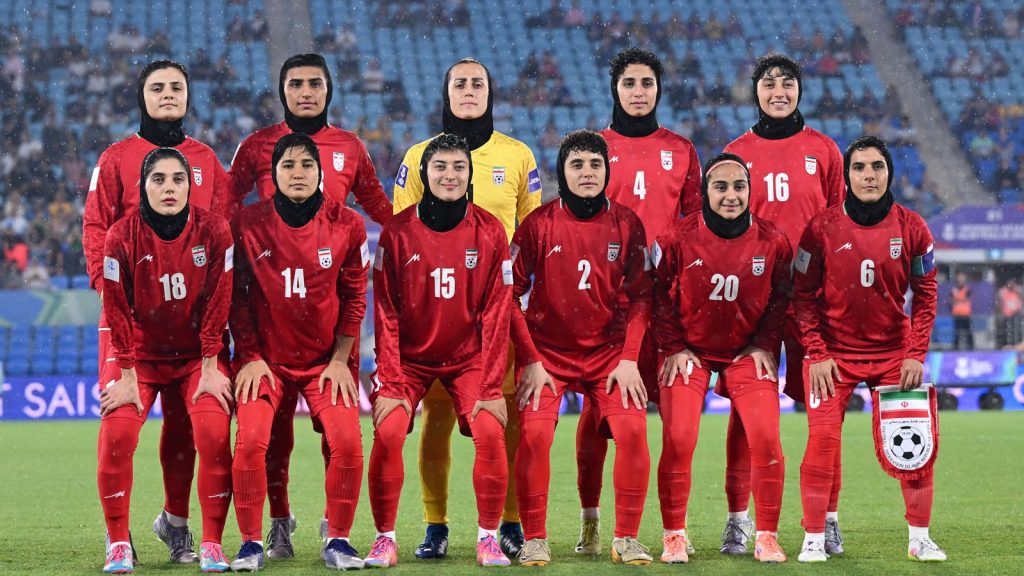
One athlete from Iran’s women’s football squad has reversed her decision to seek asylum in Australia, reducing the number of players remaining in the country to six. The shift comes as concerns grow over their potential exposure to danger after they refused to sing the national anthem before a match.
The team was in Australia for the Asian Cup when the Iran war erupted just over a week ago. Following the conflict, two additional individuals—both a player and a staff member—joined five teammates who had already secured humanitarian visas the previous day. However, on Wednesday, one member opted to return to Iran, lowering the total count of asylum seekers from seven to six.
Australian Home Affairs Minister Tony Burke noted that security assessments determined not all applicants received approval. “Some people were not offered immediate residency,” he stated, expressing relief that those who left are no longer in the country. The remaining six players have been granted 12-month humanitarian visas, with the possibility of applying for permanent residency afterward.
“Australians have been moved by the plight of these brave women. They are safe here and should feel at home,” said Prime Minister Anthony Albanese after five initially requested visas.
Their decision to remain silent during the national anthem on 2 March—two days after U.S.-Israel airstrikes targeted Iran—sparked intense backlash. Iranian television commentators criticized the players, labeling their actions as the “pinnacle of dishonour.” Presenter Mohammad Reza Shahbazi claimed, “Traitors during wartime must face severe consequences,” per Reuters.
Some supporters interpreted the team’s silence as resistance, while others believed it was a gesture of mourning following the initial attacks. Despite singing and saluting ahead of their matches against Australia and the Philippines, doubts persisted about whether they were compelled to do so. The players’ union, FIFPRO, expressed alarm over their safety and noted communication with the group had been limited.
As the team departed Sydney, fans gathered outside the stadium, chanting “let them go” and “save our girls.” CNN reported at least three players raised the international hand signal for help. Earlier, Iranian Australians protested at the team’s hotel and airport, urging the government to keep them in the country.
Former U.S. President Donald Trump highlighted the players’ reasons for returning, stating they felt compelled to leave “due to fears for their families’ safety, including threats to relatives if they stayed.” Exiled Crown Prince Reza Pahlavi confirmed that Fatemeh Pasandideh, Zahra Ghanbari, Zahra Sarbali, Atefeh Ramazanzadeh, and Mona Hamoudi are now in a “safe location,” according to his social media post.
He previously warned that the team faced “ongoing threats” after their “brave act” of not singing the national anthem. “Their civil disobedience could lead to dire outcomes if they return to Iran,” he wrote, emphasizing the risks they endured.

