
How renewable energy shields countries from oil shocks
How Renewable Energy Shields Countries from Oil Shocks
The ongoing conflict in Iran has thrown the oil and gas trade into disarray, sending ripples through global energy markets. As tensions escalate, energy specialists emphasize that expanding domestic renewable resources is the key to mitigating future disruptions. Nations increasingly powered by wind, solar, and other clean sources are less susceptible to worldwide fuel crises, experts note, citing the Middle East’s volatile situation as a catalyst for rising prices.
Geopolitical Tensions and Supply Chain Vulnerabilities
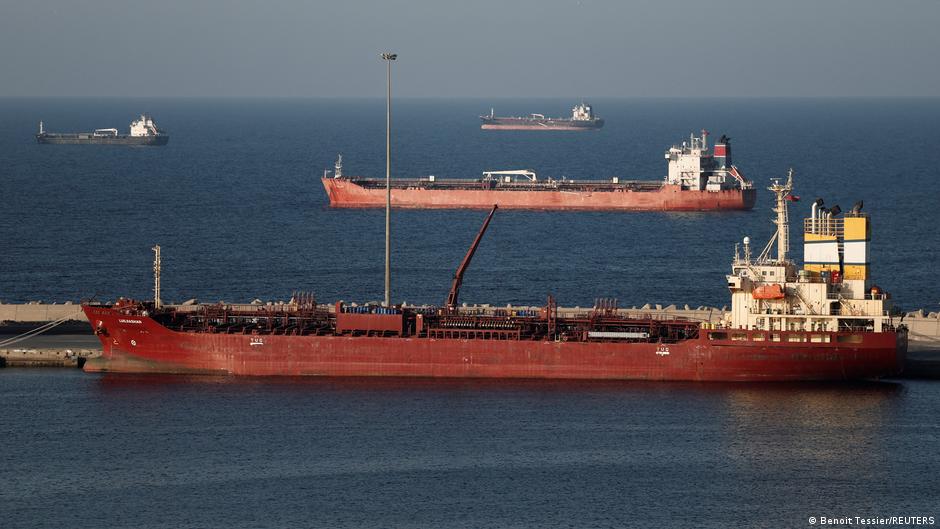
Recent strikes by the U.S. and Israel have intensified the conflict, targeting vital infrastructure and threatening the Strait of Hormuz. This critical waterway, responsible for 20% of global oil and gas transport, faces shutdown risks, disrupting supply routes. The shortage of fuel may strain nations reliant on it for electricity, heating, and transportation, driving up costs and heightening inflationary pressures.
“Energy is the lifeblood of our societies and industries,” stated Antony Froggatt, an aviation, shipping, and energy analyst at the Brussels-based NGO Transport & Environment. “Yet we remain heavily dependent on fossil fuels, leaving us exposed to political upheavals.”
Uruguay’s Leap Toward Renewables
Decades ago, Uruguay embarked on a bold initiative to reduce its fossil fuel dependency. With a population of 3.5 million, the nation rapidly expanded wind farms, aiming to replace traditional energy sources. Today, over 90% of its electricity is generated from renewables, including wind, solar, hydropower, and biofuels. In particularly wet and windy seasons, this proportion reaches 98%, showcasing the feasibility of a fully renewable grid.
“Uruguay’s success proves a 100% renewable system is achievable,” said Rana Adib, executive secretary of REN21. “They’ve done it without heavy reliance on storage solutions, which is a major advantage.”
Adib highlights that this shift shielded Uruguay from sharp energy price spikes, such as those during the Ukraine conflict. “During that crisis, energy costs stayed stable,” she explained. “That stability is crucial, as it prevents inflation from disproportionately affecting the country.”
The transition also spurred job creation, generating 50,000 positions and saving $500 million annually in import expenses. Despite these gains, Uruguay still depends on fossil fuels for transport and industry, though plans to electrify public transit and decarbonize sectors are underway.
Denmark’s Commitment to Clean Power
Denmark, a nation of 6 million, has long prioritized renewable energy. The 1970s oil crisis spurred early investments in green technologies, leading to a system now powered by over 80% renewables. Wind energy accounts for nearly 60% of this, complemented by biogas. The country aims to achieve full fossil fuel independence in its electricity supply by 2030.
Denmark’s district heating networks, connected to 65% of homes, have already cut coal use and plan to rely entirely on renewable biomethane by the same year. These steps underscore a broader strategy to reduce vulnerability to global energy shocks.
Rana Adib argues that domestic renewable systems offer resilience against geopolitical risks. Unlike fossil fuels, which face global supply chain disruptions, renewables draw from local resources like sunlight and wind. “The fuel you use is sourced locally,” she noted, emphasizing the stability this provides.

