Terrion Arnold released by Lions after kidnapping charges. What we know

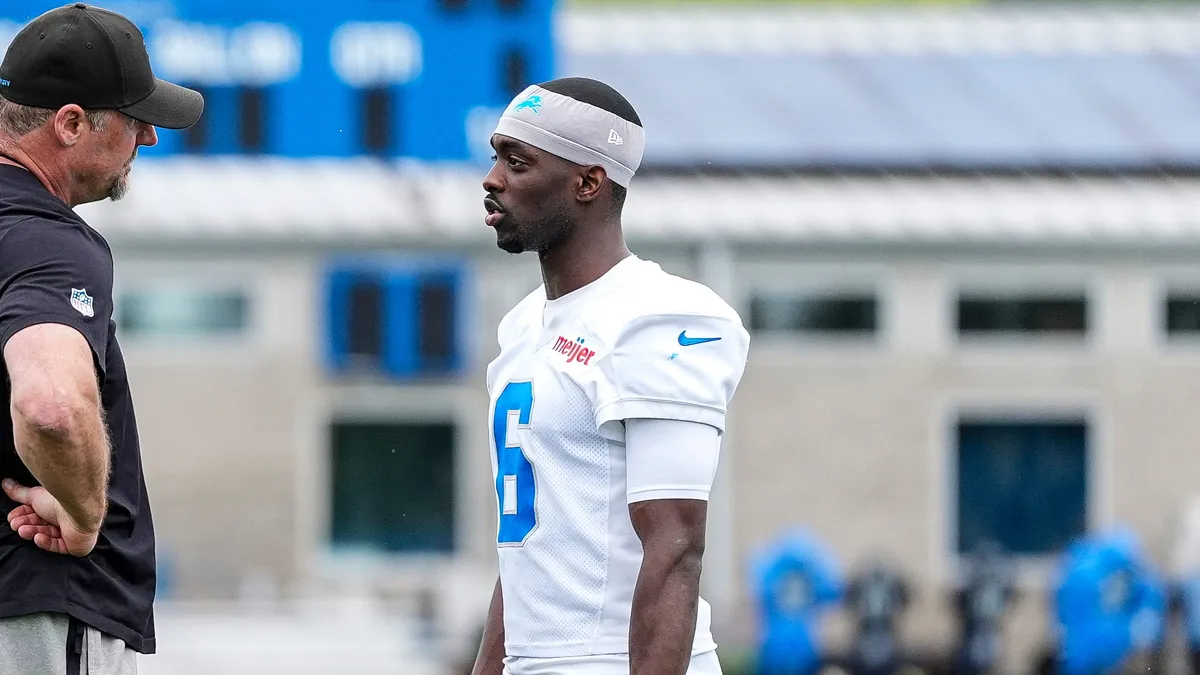
Terrion Arnold Released by Lions After Kidnapping Charges. What We Know
Release and Legal Context
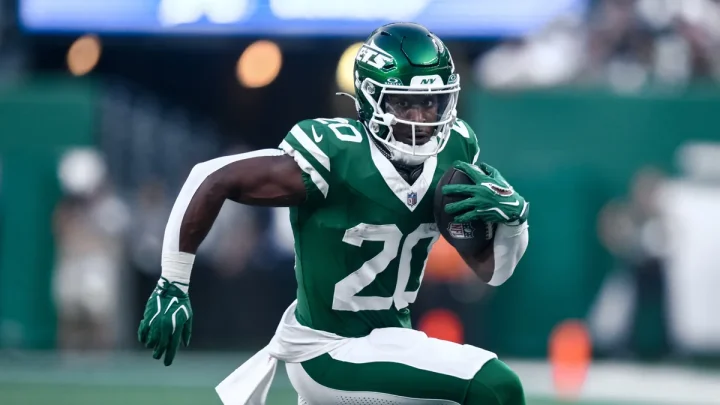
Cybersecarmor.com – The Detroit Lions made the decision to cut ties with cornerback Terrion Arnold on June 29, as confirmed by the team’s official announcement. This move follows a recent legal development: a judge in Tampa, Florida, ruled that Arnold could be released from pre-trial detention after a hearing. Arnold had been held in custody since June 24, when he voluntarily surrendered to authorities. The ruling allows him to return to the field, though his legal status remains under review.
Arnold’s charges stem from an alleged incident in February, during which he was accused of kidnapping three individuals and committing armed robbery. The case includes three counts of kidnapping, three counts of armed robbery, one count of conspiracy to kidnap, and one count of conspiracy to commit armed robbery. If convicted, he could face a life sentence in prison, a severe consequence that underscores the gravity of the situation.
Contract Implications
The Lions’ decision to release Arnold before his trial concludes has significant financial implications. The team drafted Arnold with the 24th overall pick in the 2024 NFL Draft, and he still had two years left on his contract. However, because the release came prior to the trial, the Lions cannot void his guaranteed money. As a result, they will absorb a dead cap hit of approximately $3.9 million in 2026 and $4.5 million in 2027, according to Spotrac.
Arnold entered the offseason with $4.8 million in guaranteed compensation remaining on his deal. The dead cap charges now fall to the team, meaning they must account for these payments even though Arnold’s contractual obligations are no longer tied to his playing status. This financial commitment could impact the Lions’ salary cap flexibility, particularly as they prepare for the upcoming season.
NFL CBA and Forfeitable Breach
The timing of Arnold’s release plays a critical role in the Lions’ contractual obligations. Under the NFL’s collective bargaining agreement, a player can be deemed “unavailable to the team due to conduct by him that results in his incarceration.” This provision, outlined in Article 4, Section 9, defines a forfeitable breach, which allows the league to void certain portions of a contract if a player’s absence is due to misconduct.
“Forfeitable Breach. Any player who (i) willfully fails to report, practice or play with the result that the player’s ability to fully participate and contribute to the team is substantially undermined (for example, without limitation, holding out or leaving the squad absent a showing of extreme personal hardship); or (ii) is unavailable to the team due to conduct by him that results in his incarceration; or (iii) is unavailable to the team due to a nonfootball injury that resulted from a material breach of Paragraph 3 of his NFL Player Contract; or (iv) voluntarily retires (collectively, any “Forfeitable Breach”) may be required to forfeit signing bonus, roster bonus, option bonus and/or reporting bonus, and no other Salary, for each League Year in which a Forfeitable Breach occurs.”
Had Arnold been suspended or incarcerated due to a forfeitable breach, the Lions could have potentially cleared his contract guarantees. Instead, they are left with the financial burden of the dead cap hits, which ties back to the fact that his release came too late to trigger the clause. This highlights the importance of timing in league decisions and the trade-offs teams face when dealing with players in legal trouble.
Team’s Depth Chart and Secondary Concerns
Arnold’s spot on the Lions’ roster was not guaranteed, and his release leaves the secondary in a state of uncertainty. Detroit currently lists eight cornerbacks on its roster, but the competition for starting roles remains fierce. The only current certainty is that Quandre Diggs is expected to hold down the starting position, while the rest of the unit is in flux.
With Arnold removed from the equation, the Lions’ secondary faces an uphill battle to find depth and consistency. His struggles in 2025, including missed opportunities during the season, had already raised questions about his role. Now, the team must rely on other players to fill the void, potentially leading to a grueling training camp competition for the second cornerback position.
Detroit’s offseason strategy did not prioritize upgrading the secondary, instead focusing on signing free agents and investing in younger talent. The team signed rookie cornerback Jalen McCreary and later used a draft pick to select Michael Abney, but these moves may not have addressed the depth issues. The secondary’s lack of proven players, especially without Arnold, could be a key weakness heading into the 2026 season.
Broader Implications for the Lions
The release of Arnold serves as a reminder of the challenges teams face when dealing with players involved in legal issues. While the Lions may have expected him to be a reliable asset, his incarceration and subsequent release have forced them to reassess their plans. This situation also reflects the broader trend of how NFL teams balance on-field performance with off-field conduct.
As the offseason progresses, the Lions will need to identify replacements for Arnold’s role. The competition for the second cornerback spot is expected to be intense, with players like McCreary, Abney, and others vying for opportunities. The team’s ability to secure a reliable option will be crucial in maintaining defensive stability, especially with Diggs as the lone starter.
Additionally, the incident raises questions about the Lions’ leadership and decision-making process. By releasing Arnold without waiting for the trial, the team opted for a swift resolution, but this could have long-term consequences for their roster and cap management. The financial commitment of the dead cap hits will need to be weighed against potential gains from a new cornerback, whether through free agency or the draft.
In the end, Arnold’s release marks a turning point for the Lions. While they may have avoided a potential suspension or legal complications, the cost of his departure is clear. The secondary’s future now hinges on how quickly the team can address the depth gap, and whether the new additions can step up and fill the void left by Arnold’s departure.