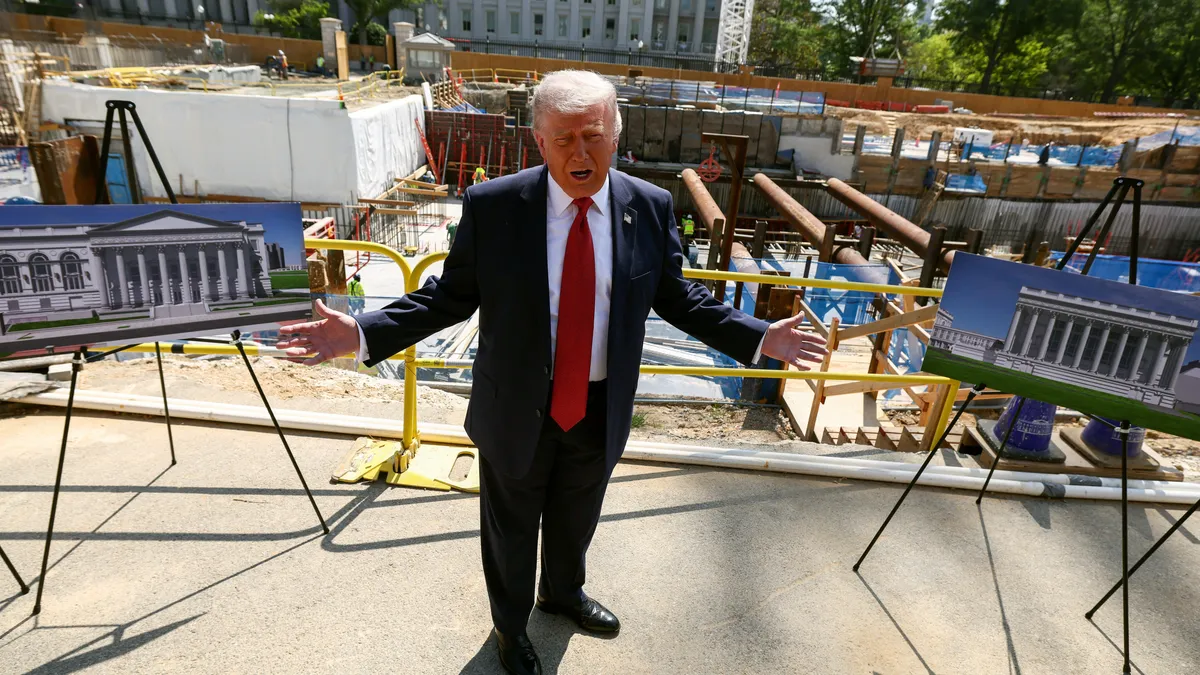
Trump again threatens Iran with warning it will ‘no longer exist’: What to know

Trump again threatens Iran with warning it will ‘no longer exist’: What to know
Cybersecarmor.com – On June 28, 2026, Middle Eastern tensions surged as Iran launched coordinated attacks on U.S. military installations in Kuwait and Bahrain, marking the fourth consecutive day of heightened hostilities in the region. The strikes, which targeted key facilities, underscored a rapid deterioration of the fragile ceasefire agreement that had been brokered weeks earlier between the United States and Iran. Despite initial optimism from peace talks held in Switzerland, the latest developments have cast doubt on the deal’s viability, with Iran’s actions seemingly pushing the conflict into a new phase.
Escalation of hostilities
The intensifying aggression from Iran has placed the interim ceasefire agreement under significant strain, according to U.S. Central Command. The attacks on June 27, which included the use of attack drones to target a Panama-flagged tanker in the Strait of Hormuz, have further destabilized the fragile truce. The vessel, carrying over 2 million barrels of crude oil, was struck early in the morning, causing damage to its bridge but ensuring the safety of its crew. This incident has reignited concerns about the security of maritime trade routes critical to global energy supply chains.
Following the attack, the U.S. military retaliated by striking multiple Iranian military assets, including surveillance systems, communication hubs, and air defense installations. These strikes were aimed at disrupting Iran’s ability to coordinate future operations, particularly its drone capabilities and minelayer infrastructure. The U.S. military’s response came after a day of targeted retaliation, during which Iran was given a window to uphold the ceasefire agreement. Instead, the Islamic Revolutionary Guard Corps declared that violations had effectively “halted all diplomatic progress,” signaling a shift toward open conflict.
Trump’s renewed threat
Amid the rising tensions, former President Donald Trump reiterated his stance on Iran, warning of an “annihilation” that could erase the country from existence. In a social media post, he stated, “It is very possible that they will never learn.” This remark reflected his frustration with Iran’s continued defiance, suggesting that the nation may face irreversible consequences if it fails to comply with U.S. demands.
“There may come a point when we are no longer able to be reasonable, and will be forced to militarily complete the job that we very successfully started,” Trump wrote. “If that happens, the Islamic Republic of Iran will no longer exist!”
The threat from Trump aligns with broader U.S. strategic objectives to weaken Iran’s influence in the region. While the current administration has sought to maintain a ceasefire, the rhetoric from Trump indicates a potential return to a more aggressive posture. His comments come as the U.S. military intensifies its efforts to counter Iranian operations, particularly in the Strait of Hormuz, where critical energy shipments are vulnerable to disruption.
Strategic significance of the Strait of Hormuz
The Strait of Hormuz has become a flashpoint for regional conflict, with its strategic role as a vital artery for global oil transport drawing repeated attacks. As one of the world’s busiest shipping corridors, the strait’s security is essential for maintaining stable energy markets. However, the escalation of violence has threatened to derail efforts to restore normal shipping operations, despite the temporary ceasefire.
On June 27, Britain’s United Kingdom Maritime Trade Operations agency confirmed an attack on a tanker near the strait, which damaged its bridge but left all crew members unharmed. This incident prompted the Joint Maritime Information Center to raise its security threat level, highlighting the growing risk to commercial vessels. The U.S. Central Command emphasized that Iran’s refusal to adhere to the ceasefire has forced the military to take decisive action, including strikes on its infrastructure.
Analysts note that the continued attacks on merchant ships have not only undermined the ceasefire but also raised questions about the sustainability of the agreement. While the U.S. has sought to broker peace, Iran’s persistent aggression has eroded trust between the two nations. The situation has also drawn attention to the vulnerability of international trade in the region, with fears that disruptions could have far-reaching economic consequences.
Lebanon and Israel’s role
In Lebanon, the conflict between Israel and Hezbollah has persisted despite periodic ceasefire agreements. On June 28, Israeli forces reported eliminating Hezbollah militants armed with rocket-propelled grenades and destroying a rocket launcher. Hezbollah, however, did not immediately respond to the strikes, maintaining a posture of quiet resistance.
The Lebanese frontline remains a key battleground, with Israel asserting its presence in the territory it has occupied and Hezbollah refusing to disarm while Israeli troops remain. These dynamics have kept the region on edge, even as the U.S.-Iran ceasefire flounders. The U.S. has played a mediating role in the Lebanon-Israel conflict, but its efforts have yielded limited success in curbing hostilities.
Experts suggest that the U.S.-Iran deal’s collapse may have unintended consequences for other regional actors, including Hezbollah. The threat of U.S. military action against Iran could embolden Israel to pursue its own objectives in Lebanon, further complicating the geopolitical landscape. This interplay between the U.S., Iran, and Israel highlights the interconnected nature of Middle Eastern conflicts, with each party’s actions influencing the others.
Zachary Schermele, the congressional correspondent for USA TODAY, reported on the escalating tensions, emphasizing the stakes for both nations. His analysis underscores the challenges of maintaining peace in a region where alliances and rivalries are constantly shifting. The situation also reflects the broader implications of the U.S. leadership’s approach to regional security, with Trump’s aggressive rhetoric potentially shaping the trajectory of future negotiations.
Reporter Anthony Thompson, who has covered the Middle East for USA TODAY, noted the rapid deterioration of the ceasefire. His insights provide context for the current crisis, highlighting the tensions that have developed over the past weeks. As the conflict continues to evolve, the international community watches closely, hoping for a resolution that can prevent further escalation.