High court says Rastafarian man can’t sue prison guards for shaving dreadlocks

Supreme Court Rules Rastafarian Man Can’t Sue Over Dreadlock Shaving
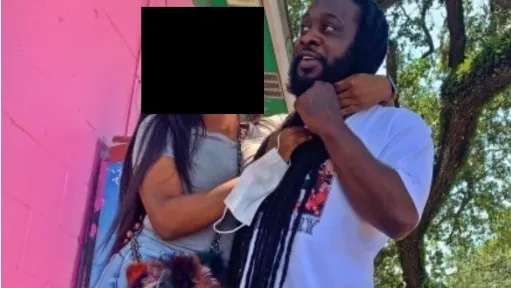
Cybersecarmor.com – The U.S. Supreme Court has ruled that a Rastafarian man cannot pursue legal action against Louisiana prison guards for shaving his dreadlocks, stating that the Religious Land Use and Institutionalized Persons Act (RLUIPA) does not provide a basis for monetary damages in such cases. The decision, issued on June 23, was penned by Justice Neil Gorsuch and supported by a 6-3 majority, marking a significant shift in how the court interprets religious rights for incarcerated individuals. The case centers on Damon Landor, a Rastafarian whose knee-length dreadlocks were forcibly removed, and the court’s ruling has sparked debate over the balance between institutional authority and personal religious expression.
In his majority opinion, Gorsuch argued that RLUIPA’s purpose is to ensure religious practices are accommodated, but it does not entitle prisoners to financial compensation when their beliefs are challenged. He compared the situation to a breach of contract, suggesting that without an agreement, monetary damages are not a valid remedy. “The guards did not enter into a contract with Landor, so his claim for compensation must be dismissed,” Gorsuch wrote, framing the issue as a legal contradiction between the law’s intent and its application. This reasoning, however, has drawn criticism from dissenters who believe it undermines the law’s core protections.
Religious Rights vs. Institutional Policies
Landor’s case hinged on the belief that his dreadlocks are an essential part of his Rastafarian identity, which he argued should be protected under RLUIPA. The lawsuit referenced a 2020 ruling that affirmed such hairstyles are constitutionally safeguarded when worn for religious reasons. Yet, when Landor was transferred to a new facility, an intake guard disregarded the previous decision and shaved his hair, claiming he lacked sufficient evidence to support his faith. The incident left Landor feeling that his religious expression was being stripped away, a sentiment echoed by his attorneys who stressed the importance of allowing legal recourse for such violations.
Supporters of the ruling contend that RLUIPA is designed to prevent excessive religious restrictions, not to mandate financial penalties. They argue that prisons must prioritize efficiency and consistency in enforcing policies, even if it means compromising certain aspects of individual religious practices. However, critics warn that this decision may set a precedent that limits the ability of prisoners to challenge institutional decisions that infringe on their beliefs. The ruling highlights the ongoing tension between legal frameworks that protect religious freedom and the practical realities of prison administration.
“My locks are a part of me and part of who I am,” Landor stated, emphasizing how his Rastafarian identity was tied to his hairstyle. “So when they cut off my hair, they cut off my crown.” His words underscore the emotional and symbolic weight of the issue, as the Supreme Court’s decision may leave many incarcerated individuals without the means to seek justice for perceived violations of their religious rights.
Division Among the Justices
The majority’s stance was challenged by a sharp dissent from Justice Ketanji Brown Jackson, who joined Justices Sonia Sotomayor and Elena Kagan in arguing that RLUIPA was meant to shield prisoners from arbitrary restrictions. Jackson criticized the use of a contractual analogy, stating that the law itself, not an agreement, secures the rights in question. “This decision cuts off the remedies that Congress intended to provide,” she wrote, highlighting the divide between the court’s progressive religious rights record and its more conservative approach to liability.
While the majority focused on the limitations of RLUIPA, the dissents underscored broader implications for how religious freedoms are upheld in institutional settings. Justice Amy Coney Barrett, in her concurring opinion, acknowledged the ruling’s potential to affect similar cases involving public employees. She suggested that the decision might influence future disputes over civil rights violations, but the majority maintained that RLUIPA’s application to state institutions makes the case unique. The ruling has left advocates questioning whether the balance between institutional authority and individual rights has been tipped too far in favor of the former.