Millions fewer people are receiving SNAP food aid. Is that a good thing?

Millions fewer people are receiving SNAP food aid. Is that a good thing?
A Retired Woman’s Struggle Highlights the New Rules
Cybersecarmor.com – Angelina Guatemala, a 64-year-old retiree in Ogden, Kansas, once relied on federal assistance to afford groceries. After decades of arranging flowers, decorating cakes, and preparing meals, she now faces a new challenge: working 20 hours weekly to qualify for food stamps. The change, enacted last year as part of Congress’s overhaul of the Supplemental Nutrition Assistance Program (SNAP), has left her in a difficult position. Her hands, plagued by painful dermatitis, make it hard to grip objects or stand for extended periods. Without the support of SNAP, Guatemala said she’s struggling to stretch her meals, relying on simple staples like rice and beans to make ends meet.
“I’m the type of person who has rice and beans, and I’m OK for today. I’m not picky,” Guatemala told USA TODAY. “If I can get a piece of chicken, I can stretch it out for two or three days. But for now, nothing.”
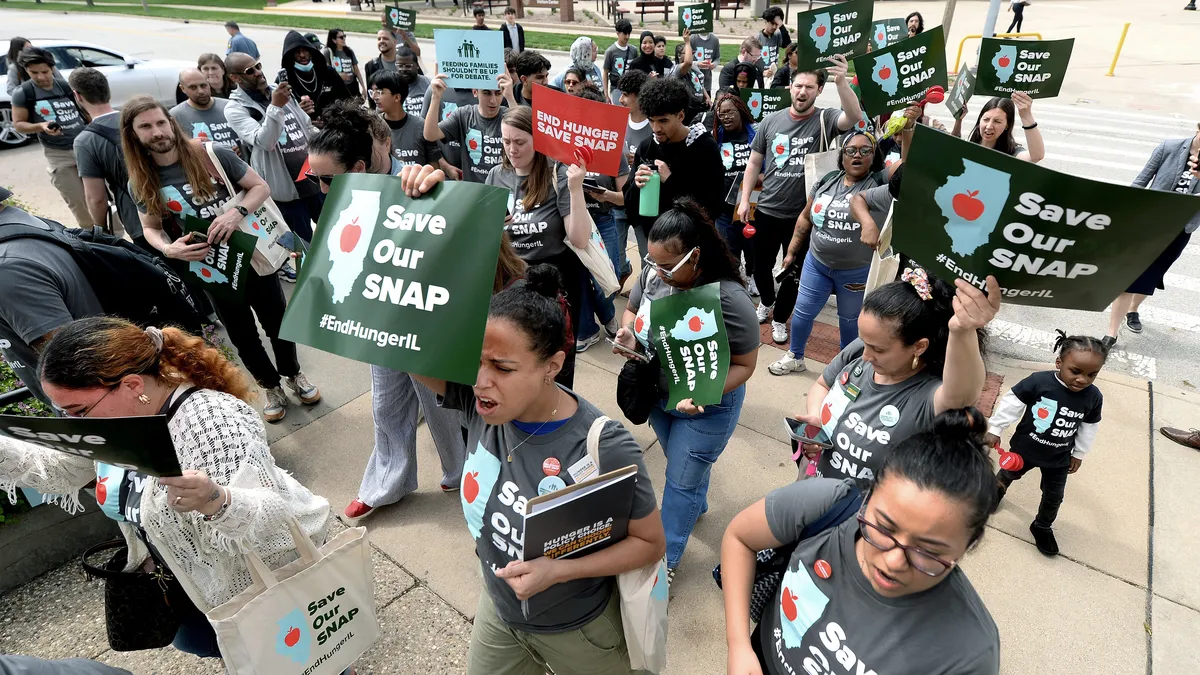
The shift in SNAP policy has sparked a divided response. While the White House praised the work mandates as a way to celebrate employment, advocates argue the reduction in beneficiaries has created severe hardship. Since the rules were expanded in July 2025, SNAP participation has fallen by 10%, with 4 million fewer individuals receiving aid. This decline has raised questions about whether the changes are beneficial or detrimental, particularly for vulnerable populations.
Legislative Shifts and Financial Implications
Under the new legislation, participants must meet stricter work and documentation standards. The changes, which include a focus on reducing immigrant participation, have led to significant budget cuts. The Agriculture Department estimates that federal spending on SNAP will decrease by $187 billion over the next decade due to these reforms. States are also required to contribute more to the program, adding administrative burdens to recipients.
These rules have expanded the scope of eligibility requirements. Previously, the work mandate applied only to those under 55, but the law now extends to individuals up to 64 years old. Additionally, caregivers with children under 14 are now subject to the same standards as others, eliminating exemptions for those raising young dependents. The policy also removed waivers for homeless individuals and those in high-unemployment regions, leaving many without alternatives.
Advocacy groups have criticized these adjustments as damaging to food security. Krista Hesdorfer of Hunger Solutions New York called the cuts “incredibly alarming,” emphasizing how the policy undermines a system already struggling to meet needs. “When a family loses food assistance, now they need to make impossible choices with how to use their limited resources,” she explained. “Can I buy groceries this week or should I pay the rent? Can I pay my utility bill? Should I pick up my prescription?”
Broader Economic Pressures
The impact of SNAP’s changes is amplified by rising costs in everyday living. Since the pandemic, low-income families have faced mounting pressure from increased expenses in groceries, housing, and utilities. The New York Federal Reserve Bank recently noted a sharp rise in food insecurity, especially among households with young children and middle-income earners. For many, the $188 monthly benefit is a lifeline, and losing it forces difficult trade-offs.
SNAP’s reach has fluctuated over time, reflecting economic conditions. During the Great Recession, participation surged from 28 million in 2008 to a peak of 47 million in 2014. By 2019, it had declined to 35 million, but the program remained critical for millions. The 2025 legislative overhaul marked a turning point, with the addition of work requirements triggering a further 10% drop. This shift not only affects current beneficiaries but also raises concerns about long-term stability.
Political and Advocacy Responses
Despite the program’s growing role in the economy, the 43-day government shutdown last year highlighted its importance. Congress initially faced a funding crisis for SNAP, but eventually approved continued support on November 12, 2025. However, the tightening of eligibility rules had already begun, causing confusion and hardship for recipients before the shutdown was resolved.
Haley Kottler of the Appleseed Center for Law and Justice in Kansas described the situation as unprecedented. “We’ve never seen this level of reduction before,” she said. “People are already jumping through hoops to get the food they need, and these new requirements only add to the stress.” In her state, recipients must complete a 30-page application with over 200 questions to qualify for about $150 in monthly benefits. Kottler argued that such complexity places additional strain on an already strained system.
The legislation also mandates more detailed documentation of work and income, even as states were already collecting substantial paperwork. This has created challenges for those in unpaid positions or informal employment. For example, a volunteer working in a community kitchen might now need to provide proof of hours spent, complicating their access to benefits. Critics claim the rules are overly rigid, failing to account for the diverse circumstances of recipients.
Debating the Impact of Reform
Supporters of the work requirements argue that the changes promote self-sufficiency. Agriculture Secretary Brooke Rollins, who champions the policy, described the reforms as “a celebration of work.” This perspective aligns with the White House’s emphasis on reducing dependency and encouraging participation in the labor market. However, opponents stress that the program serves as a safety net during economic downturns, and its shrinking size could exacerbate hardship.
For retirees like Guatemala, the new rules represent a major disruption. Many had no intention of returning to work, yet now face the necessity of doing so to maintain their benefits. The dermatitis that limits her mobility further complicates her ability to meet the demands of the program. “I can’t stand for long or hold things properly,” she said. “But I have to find a way to work or lose my food assistance.”
The debate over SNAP’s future underscores broader tensions in U.S. policy. While the work requirements aim to align the program with economic principles of responsibility, they risk excluding those who cannot work due to health, age, or other barriers. Advocates warn that the current cuts could leave millions struggling, particularly in regions where unemployment is high or healthcare costs are steep. For families already on the brink of financial instability, the loss of food assistance may lead to long-term consequences, including increased reliance on emergency services or debt.
As the program continues to evolve, its role in addressing food insecurity remains under scrutiny. The 2025 legislation has set a new standard for eligibility, but its effectiveness depends on how well it balances accountability with compassion. For now, the stories of individuals like Guatemala serve as a reminder of the human cost of policy changes, highlighting the need for ongoing evaluation and adjustment.
With the debate ongoing, the future of SNAP hinges on its ability to adapt to the needs of those it was designed to help. While some see the program as a step toward empowering individuals, others argue that the changes have created a system that overlooks the complexities of modern life. As the nation grapples with economic challenges, the question remains: Is a smaller SNAP program a step forward, or a setback for millions relying on its support?