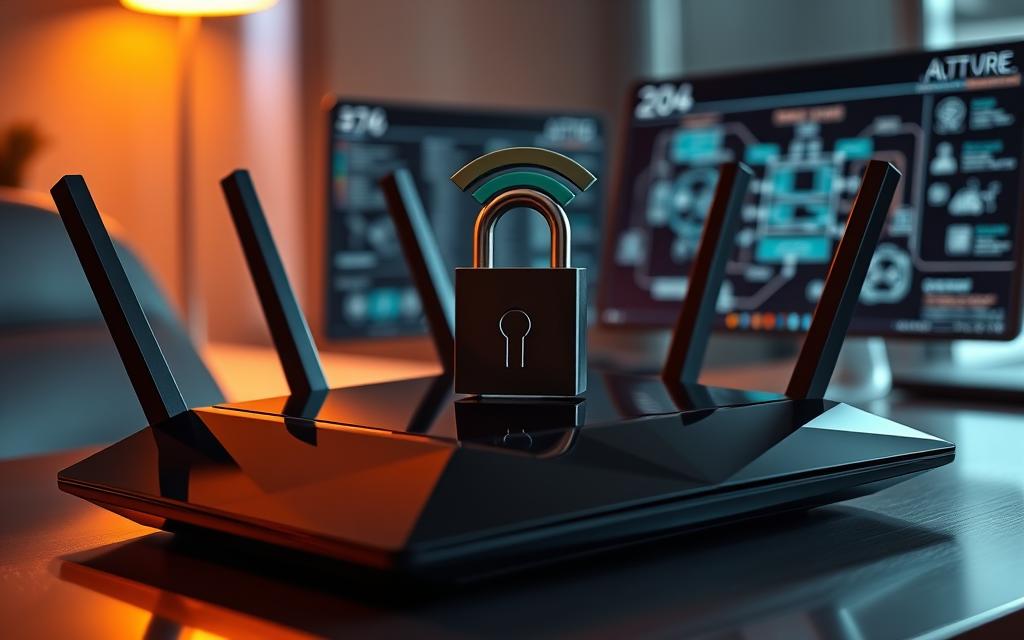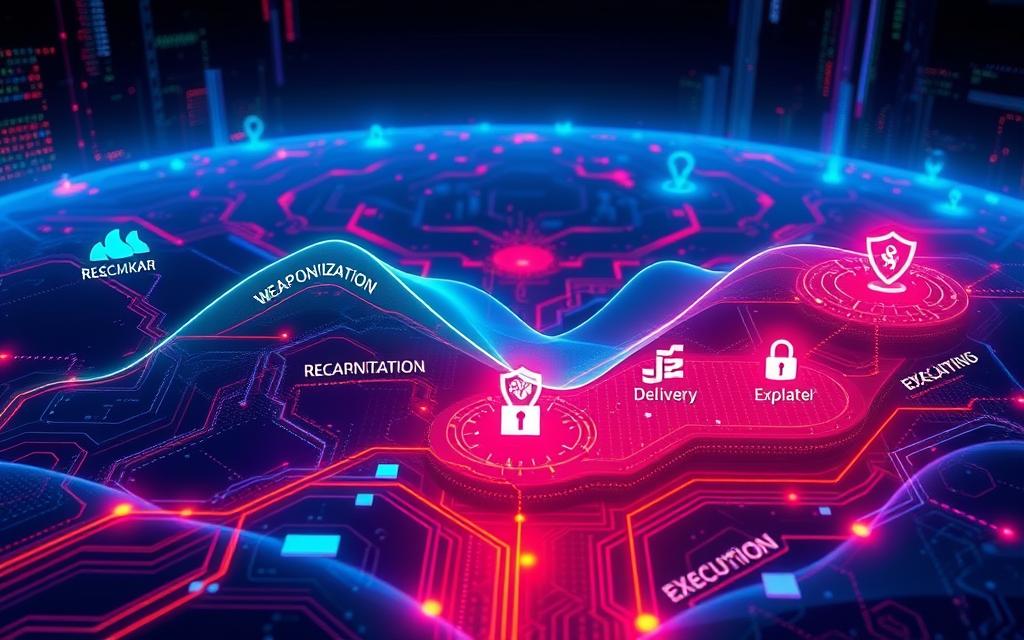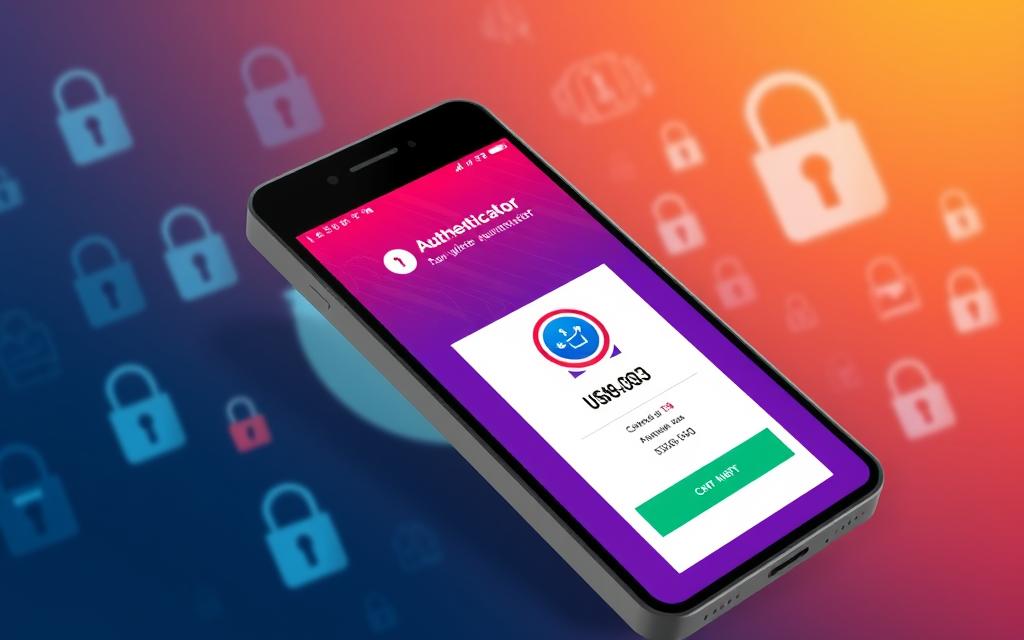
In today’s digital age, cybersecurity has become a critical aspect of daily life. With more people relying on the internet for communication, banking, shopping, and work, the risk of online threats has never been higher. For beginners, understanding the best cybersecurity practices for beginners can seem overwhelming, but taking small, proactive steps can significantly reduce the chances of falling victim to cyberattacks. Whether you’re using a personal computer, smartphone, or connected devices at home, implementing simple yet effective security measures is essential. This article explores the best cybersecurity practices for beginners in four key areas: creating strong passwords, securing devices and networks, being cautious online, and monitoring your accounts. By following these guidelines, you’ll build a solid foundation to protect your data and privacy. Creating Strong Passwords One of the most fundamental best cybersecurity practices for beginners is the use of strong, unique passwords for all your accounts. A password is your first line of defense against unauthorized access, and weak or reused passwords make it easy for hackers to guess or crack your information. Strong passwords are typically long, complex, and include a mix of letters, numbers, and symbols. For example, instead of using “password123,” opt for something like “$7K!qZ9#LmP2” which is harder to decipher. The Importance of Password Complexity A strong password should be at least 12 characters long and avoid common words or patterns. Think of it as a digital lock that requires more than just a simple key to open. Cybercriminals often use brute-force attacks, where they try countless combinations to guess passwords, especially if they’re short or predictable. To make this process harder, include uppercase and lowercase letters, numbers, and special characters in your password. For instance, “MyCat@2023!” is better than “mycat2023” because it has a mix of character types and a unique symbol. Using Password Managers Remembering multiple strong passwords can be challenging, which is why password managers are an excellent tool for beginners. These applications store all your passwords securely and generate unique ones for each account. By using a password manager, you eliminate the risk of reusing passwords across different platforms, a common vulnerability that hackers exploit. For example, LastPass and 1Password are popular choices that encrypt your data and allow you to access your passwords with a single master password. Changing Passwords Regularly Even the strongest password can be compromised over time, so it’s important to update your passwords periodically. Aim to change them every 90 days, especially for accounts that contain sensitive information like email, banking, or social media. If you suspect a password leak or notice unusual activity on your account, change it immediately. This practice ensures that if a hacker gains access to one password, they won’t be able to use it indefinitely. Securing Your Devices and Networks Beyond passwords, securing your devices and networks is another crucial part of the best cybersecurity practices for beginners. Devices such as smartphones, computers, and smart home gadgets can all be entry points for cyberattacks if not properly protected. Start by ensuring that all your devices are running the latest software updates, as these often include security patches for known vulnerabilities. Keeping Software Updated Software updates are not just about adding new features—they’re also about fixing security flaws. Malware and viruses often exploit outdated software to gain access to your system. For example, a simple update to your operating system or browser can block a critical security hole that hackers might otherwise use to steal your data. Set your devices to automatically install updates whenever possible, or make it a habit to check for updates manually. Enabling Firewalls and Antivirus Protection A firewall acts as a barrier between your device and the internet, monitoring and controlling incoming and outgoing network traffic. Enabling a firewall on your computer and router can prevent unauthorized access and block malicious activity. Additionally, installing reliable antivirus software adds another layer of protection by detecting and removing viruses, spyware, and other harmful programs. Free options like Windows Defender or Malwarebytes are great starting points for beginners, while paid versions offer advanced features for more comprehensive security. Securing Your Wi-Fi Network If you use Wi-Fi at home, securing your network is essential to prevent unauthorized users from accessing your data. Start by changing the default Wi-Fi name (SSID) and password, as these are often easy to guess. Use WPA3 encryption, the latest standard for securing wireless networks, and avoid using WEP, which is outdated and less secure. Also, consider setting up a separate network for guests to isolate your personal devices from potential threats. Being Cautious Online Online behavior plays a significant role in your cybersecurity. Beginners should be mindful of the best cybersecurity practices for beginners that involve how they interact with websites, apps, and digital content. One of the most common threats is phishing, where attackers send fraudulent messages or emails designed to trick you into revealing personal information like passwords or credit card details. Avoiding Phishing Scams Phishing attacks often mimic legitimate emails or websites to deceive users. For example, a phishing email might appear to be from your bank, asking you to click on a link and enter your login credentials. To avoid falling for these scams, always verify the sender’s email address and look for signs of suspicious activity, such as urgent language or misspelled URLs. If in doubt, visit the official website directly instead of clicking on links in the email. Using Secure Websites When browsing the internet, ensure that the websites you visit are secure. Look for the HTTPS protocol in the URL, which indicates that the site uses encryption to protect data. The lock icon next to the address bar is another indicator of a secure connection. Avoid entering sensitive information on unsecured websites, especially those without SSL certification. Protecting Against Malicious Apps Downloading apps from trusted sources is a key best cybersecurity practice for beginners. Apps from the App Store or Google Play are generally safer than those from third-party websites, which may contain malware. Before installing an