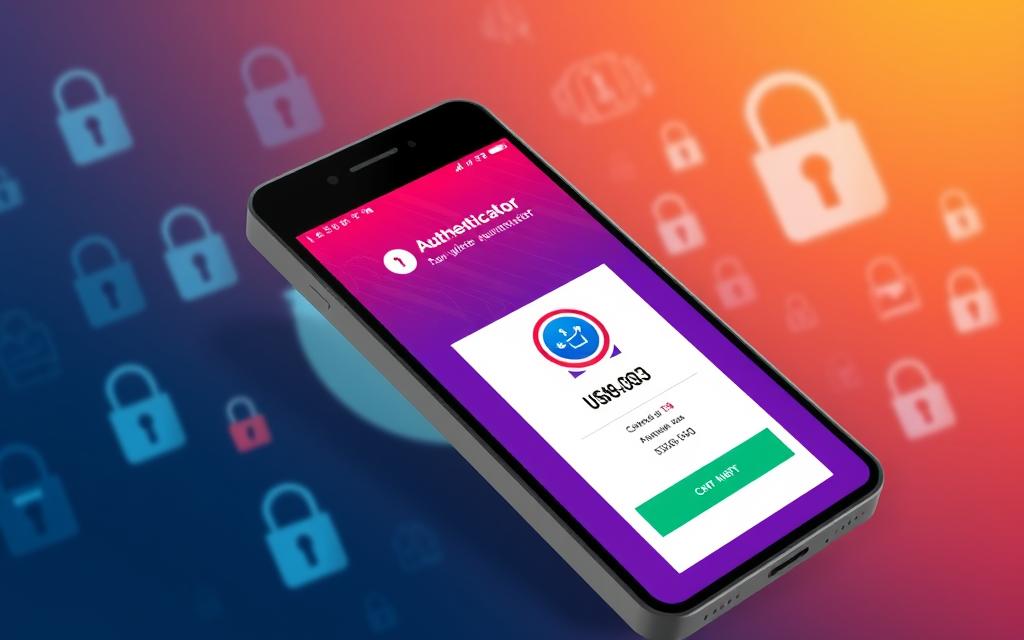
In today’s digital age, cyber threats are more prevalent than ever, targeting individuals, businesses, and even governments. From data breaches to ransomware attacks, the risks are constantly evolving, making it crucial to understand how to protect against cyber threats. Whether you’re a small business owner, a student, or a professional, implementing simple yet effective measures can significantly reduce the chances of falling victim to online dangers. This article outlines how to protect against cyber threats through five essential strategies that everyone can adopt. By following these steps, you can create a safer digital environment for yourself and your organization. The Importance of Cybersecurity Awareness Before diving into specific tips, it’s vital to recognize the growing significance of cybersecurity awareness. Cyber threats are not just a concern for tech experts—they affect people from all walks of life. According to recent statistics, the number of cyber attacks has surged by over 300% in the past decade, with phishing, malware, and unauthorized access being the most common methods. These threats can lead to financial loss, identity theft, and even reputational damage. Cybersecurity awareness is the foundation of any robust defense strategy. It involves staying informed about the latest threats and understanding how they can impact you. For example, a simple mistake like clicking on a suspicious link can compromise your entire network. By cultivating a mindset of vigilance, you can identify potential risks early and take proactive steps to mitigate them. Understanding Common Cyber Threats Phishing attacks, where attackers impersonate trusted entities to trick users into revealing sensitive information, are a prime example of how cyber threats can exploit human behavior. Similarly, malware (malicious software) can infiltrate your devices through downloads or attachments, while ransomware encrypts your data and demands payment for access. These threats are often interconnected, so a comprehensive approach to how to protect against cyber threats is necessary. The Role of Basic Security Practices Even the most advanced cybersecurity measures can be rendered ineffective without basic practices. Think of these tips as the first line of defense—simple actions that, when combined, create a powerful shield against cyber threats. For instance, using a strong password is a fundamental step that many people overlook. In the next section, we’ll explore how to create and manage secure passwords effectively. Tip 1: Use Strong, Unique Passwords for All Accounts One of the simplest yet most effective ways to protect against cyber threats is to use strong, unique passwords for every account you have. A strong password typically includes a mix of uppercase and lowercase letters, numbers, and special characters. For example, instead of using “password123,” opt for something like “T7m@pL!9qZ$.” Why are passwords so important? Passwords act as the first barrier between your data and potential hackers. Weak passwords are easy to guess or crack, making them a prime target for cyber threats. Cybercriminals often use brute-force attacks to guess passwords, or they may exploit dictionary attacks by trying common words. By using complex passwords, you make it significantly harder for attackers to gain access. The Risks of Reusing Passwords Reusing the same password across multiple accounts is a common mistake that can lead to severe consequences. If one account is compromised, attackers can use that password to access your other accounts. For instance, a breach on a social media platform could expose your email password, allowing hackers to infiltrate your bank account or personal files. How to create strong passwords To ensure how to protect against cyber threats, consider these strategies: – Use a password manager to generate and store complex passwords securely. – Avoid common words or phrases that are easy to guess. – Change passwords regularly, especially for accounts with sensitive information. – Implement multi-factor authentication (MFA) for added security. Password Length and Complexity A longer password is generally more secure than a short one. Aim for at least 12 characters to reduce the likelihood of a breach. Additionally, avoid using patterns like “123456” or “qwerty” that can be easily predicted. By prioritizing password complexity, you significantly enhance your how to protect against cyber threats strategy. Tip 2: Enable Two-Factor Authentication (2FA) While strong passwords are essential, they are not foolproof. Two-Factor Authentication (2FA) adds an extra layer of security by requiring a second form of verification beyond just a password. This simple step can dramatically reduce the risk of cyber threats exploiting weak or stolen credentials. How 2FA Works Two-Factor Authentication operates on the principle of “something you know” (your password) and “something you have” (a unique code sent to your phone or email). For example, when logging into an account, you’ll enter your password and then receive a one-time code via SMS or an authentication app. This dual verification process makes it much harder for attackers to access your accounts, even if they have your password. The Benefits of 2FA Enabling 2FA can prevent unauthorized access to sensitive data, such as personal information, financial records, and business communications. In 2021, 2FA was credited with blocking over 80% of cyber attacks targeting online accounts. It’s a cost-effective solution that requires minimal effort but offers substantial protection. Best Practices for Using 2FA – Enable 2FA on all critical accounts, including email, banking, and cloud storage. – Choose authentication apps like Google Authenticator or Authy for better security than SMS-based codes. – Keep your backup codes safe in a secure location, in case you lose access to your phone. – Monitor your accounts for any suspicious activity, even after enabling 2FA. Tip 3: Keep Your Software and Systems Updated Software updates are often overlooked, but they play a critical role in how to protect against cyber threats. Developers regularly release patches to fix vulnerabilities that could be exploited by hackers. By staying up-to-date, you ensure that your devices and systems are equipped with the latest defenses. Why Updates Matter Vulnerabilities in software are like open doors for cybercriminals. When a flaw is discovered, hackers can use it to gain access to your data or systems. For example, the WannaCry ransomware attack

How to Mitigate Cybersecurity Risks: A Clear Guide
In today’s hyper-connected digital world, cybersecurity risks are a constant threat to individuals, businesses, and governments alike. From data breaches to ransomware attacks, the consequences of inadequate security measures can be devastating. Whether it’s financial loss, reputational damage, or operational disruption, cybersecurity risks and how to mitigate them is essential for safeguarding sensitive information and maintaining trust in the digital ecosystem. This guide provides a comprehensive overview of cybersecurity risks and how to mitigate them through practical strategies, actionable steps, and expert insights. Understanding Cybersecurity Risks Before diving into mitigation strategies, it’s crucial to understand the types of cybersecurity risks that exist. These risks can be broadly categorized into internal and external threats, each with unique characteristics and challenges. By identifying these risks, organizations can prioritize their defense mechanisms and allocate resources effectively. What Are Common Cybersecurity Risks? Cybersecurity risks come in many forms, and each has the potential to compromise data, systems, or networks. Some of the most common cybersecurity risks include: 1. Phishing Attacks: These involve fraudulent attempts to gain sensitive information, such as usernames or passwords, by masquerading as a trusted entity. 2. Malware Infections: Malicious software like viruses, worms, and ransomware can infiltrate systems, causing data loss or system downtime. 3. Ransomware: A type of malware that encrypts data and demands payment for its release, often targeting businesses and critical infrastructure. 4. Denial-of-Service (DoS) Attacks: These overwhelm systems with traffic, making them inaccessible to users. Each of these threats requires a tailored approach to mitigate their impact. For example, phishing attacks can be reduced through employee education and email filtering tools, while ransomware may need robust backup systems and regular software updates. Identifying Vulnerabilities To effectively address cybersecurity risks and how to mitigate them, organizations must first identify vulnerabilities within their systems. This process involves conducting regular security audits, penetration testing, and analyzing network traffic. By pinpointing weaknesses, businesses can take proactive steps to strengthen their defenses before an attack occurs. Assessing Threats Once vulnerabilities are identified, the next step is to assess the potential threats they pose. This includes evaluating the likelihood of an attack and its possible impact. For instance, a ransomware attack on a small business might have a different consequence compared to one on a multinational corporation. Understanding these differences allows for a more precise mitigation strategy. Strategies to Mitigate Cybersecurity Risks Mitigating cybersecurity risks requires a multi-layered approach that combines technology, processes, and human vigilance. Here are four key strategies to reduce the likelihood and impact of cyber threats. Implement Strong Access Controls One of the most effective ways to mitigate cybersecurity risks is by implementing strong access controls. This involves limiting access to sensitive data and systems based on user roles and responsibilities. Multi-factor authentication (MFA), for example, adds an extra layer of security by requiring users to provide two or more verification factors before gaining access. Bold: MFA significantly reduces the risk of unauthorized access, especially in cases of stolen credentials. By enforcing access controls, organizations can prevent attackers from moving laterally within their network or accessing critical assets. Invest in Advanced Security Technologies Cybersecurity risks and how to mitigate them can also be addressed through the use of advanced security technologies. Firewalls, intrusion detection systems (IDS), and endpoint protection platforms are essential tools for monitoring and blocking suspicious activity. Additionally, encryption ensures that data remains secure even if it is intercepted. Italic: Encryption is a critical defense mechanism that protects data both at rest and in transit. Businesses should also consider cloud security solutions and antivirus software to combat evolving threats. Regularly Update and Patch Systems Keeping software and systems up to date is another vital strategy for mitigating cybersecurity risks. Cyber attackers often exploit known vulnerabilities in outdated systems, so regular patch management is crucial. Automated updates and scheduled maintenance can help ensure that all devices and applications are protected against the latest threats. Bold: Failure to update systems can lead to catastrophic breaches, as many attacks target unpatched software. Organizations should establish a patching schedule and monitor for new vulnerabilities to stay ahead of potential threats. Train Employees on Cybersecurity Awareness Human error is one of the leading causes of cybersecurity risks, making employee training a cornerstone of mitigation. Regular training programs should cover topics such as identifying phishing emails, creating strong passwords, and recognizing social engineering tactics. Italic: A well-informed workforce is the first line of defense against cyber threats. By fostering a culture of cybersecurity awareness, businesses can reduce the risk of internal breaches and ensure that employees are equipped to handle potential threats. Best Practices for Ongoing Cybersecurity Risk Management Cybersecurity is not a one-time task but an ongoing process that requires continuous monitoring, adaptation, and improvement. Here are essential best practices to ensure that cybersecurity risks and how to mitigate them remain manageable over time. Establish a Cybersecurity Framework Adopting a structured cybersecurity framework such as NIST (National Institute of Standards and Technology) or ISO 27001 provides a clear roadmap for managing risks. These frameworks outline best practices, including risk assessment, incident response, and data protection protocols. Bold: A well-defined framework ensures consistency in cybersecurity policies and improves response times during incidents. Organizations can tailor these frameworks to their specific needs, creating a proactive approach to risk management. Monitor and Respond to Threats in Real-Time Continuous monitoring of systems and networks allows for the early detection of cybersecurity risks. Tools like Security Information and Event Management (SIEM) systems and endpoint detection and response (EDR) platforms provide real-time insights into potential threats. Italic: Real-time monitoring is essential for minimizing damage during a breach. When a threat is detected, a swift and coordinated response plan can prevent further compromise. Conduct Regular Risk Assessments Cybersecurity risks evolve over time, so regular risk assessments are necessary to stay updated. These assessments should evaluate existing mitigation strategies, identify new vulnerabilities, and adjust security measures accordingly. Bold: Periodic risk assessments ensure that security measures remain relevant and effective. Businesses can use tools like risk heat maps or