
Pee for the planet: How Football fans are tackling Sweden’s fertiliser problem using urine
Pee for the Planet: How Football Fans Are Tackling Sweden’s Fertiliser Problem Using Urine
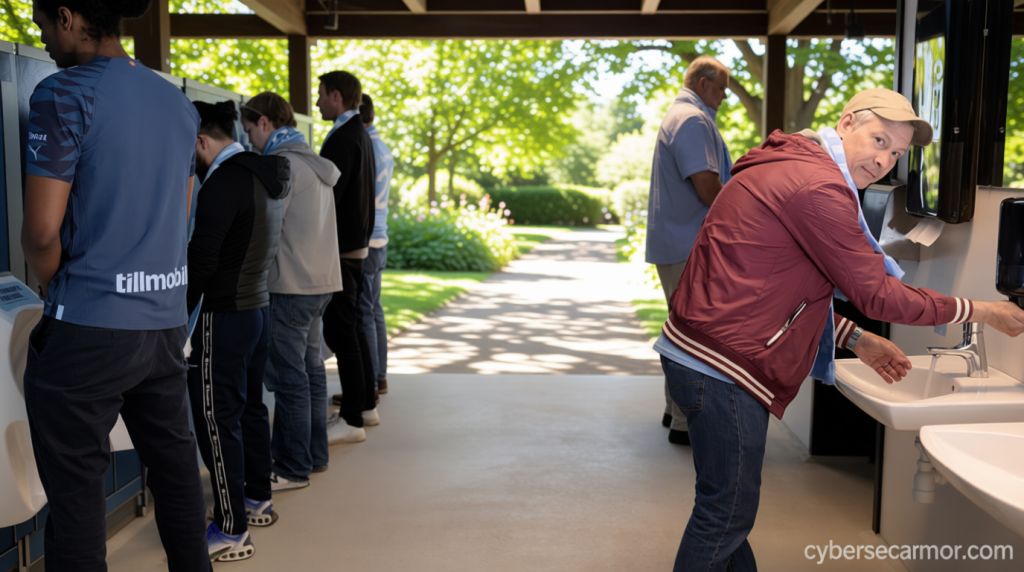
Pee for the planet – This year, Swedish football fans are participating in an unconventional tournament: a grassroots movement to collect human urine as part of a larger environmental initiative. The Eleda Stadion, home to Malmö FF, will open its doors on Sunday, 24 May, to a unique experiment that aims to gather 1,000 litres of urine over the course of the season. The project’s goal is to reduce Sweden’s reliance on imported synthetic fertilisers, which are heavily dependent on fossil fuels and contribute significantly to global carbon emissions.
The Environmental Toll of Synthetic Fertilisers
According to a report by the Center for International Environmental Law (CIEL), nitrogen-based fertilisers account for over 1.13 billion tonnes of CO2 equivalents annually—more than the combined emissions of the entire aviation industry. These figures highlight the urgent need for alternative solutions, as climate experts have long warned about the environmental impact of conventional fertiliser production. However, recent geopolitical tensions have intensified the crisis, with supply chains for these essential agricultural products now under threat.
The Strait of Hormuz, a critical maritime passage, has become a focal point of global concern. Iran’s ongoing obstruction of this route has disrupted around a third of the world’s fertiliser trade, creating a ripple effect on food security and farming practices. This shipping channel is not only vital for transporting oil but also for delivering natural gas, which is a key ingredient in manufacturing synthetic nitrogen-based fertilisers. The disruption underscores how vulnerable the global agricultural system is to external factors, prompting a search for more sustainable and locally sourced options.
Urine as a Circular Solution
Human urine is a rich source of three essential nutrients for plant growth: nitrogen, phosphorus, and potassium. These components mirror the composition of synthetic fertilisers, making urine a promising candidate for a circular economy approach. Researchers from the Swedish University of Agricultural Sciences (SLU) have partnered with Oatly, a popular oat milk brand, Malmö FF, and Sanitation360 to explore this alternative. The collaboration seeks to transform urine collected at the stadium into a viable fertiliser, testing its effectiveness and safety for large-scale agricultural use.
The project has already implemented practical steps. Eleda Stadion has been equipped with 15 urinals and one dedicated toilet to capture urine efficiently. This setup will operate from the start of the season on 24 May until Malmö FF’s last home match on 29 November. During this period, the stadium will serve as a real-world laboratory for assessing the logistics, hygiene, and public perception of urine-based fertilisation. The experiment also aims to evaluate the feasibility of integrating this method into existing infrastructure, offering a blueprint for future applications.
“It’s about making use of a resource we currently waste,” says Björn Vinnerås, a professor at SLU and expert at Sanitation360. “We also need to challenge the way we think, because collecting and reusing urine is really no stranger than doing the same with plastic. Today, we already use manure from cows, pigs, and chickens as fertiliser—and that is completely normalised.”
The initiative’s success could have far-reaching implications. If urine-derived fertiliser proves effective, it could replace up to 30% of the synthetic fertiliser used in Sweden, as estimated by the research team. This shift would not only cut carbon emissions but also alleviate pressure on wastewater treatment systems at large venues. Currently, some nutrients in human urine remain unutilised and end up polluting lakes and seas. By capturing and repurposing them, the project addresses both environmental and agricultural challenges.
Testing Safety and Public Acceptance
A crucial aspect of the research involves verifying the safety of urine-based fertilisers for food crops. Concerns about pharmaceutical residues and pathogens must be resolved before the method can be widely adopted. The team is conducting experiments to ensure the nutrients are free from contaminants, a step that could pave the way for broader implementation. Public acceptance is another key factor, as the success of the project hinges on how readily fans and visitors embrace the idea of using urine as a fertiliser.
While the concept may seem unusual, the researchers argue that it aligns with established practices. For instance, animal manure has long been used as a natural fertiliser, and its integration into farming is already routine. Urine, they suggest, could follow a similar path, offering a more sustainable alternative. The stadium’s role in this experiment is to demonstrate the scalability of such systems, proving that urine collection can be both practical and efficient.
Broader Implications for Sustainability
Success in this project could inspire similar initiatives worldwide. By adapting toilet infrastructure to capture urine, large venues might reduce their environmental footprint while supporting local agriculture. The potential applications extend beyond stadiums, with the possibility of integrating urine collection into urban planning, public spaces, and even residential areas. This approach not only addresses the immediate issue of fertiliser dependency but also contributes to a circular economy that minimises waste and maximises resource reuse.
Sweden’s commitment to sustainability is evident in this effort, which reflects a growing global trend towards eco-friendly innovations. As the world grapples with the dual challenges of climate change and food security, solutions like urine-based fertilisation offer a tangible path forward. The initiative also highlights the role of community engagement in driving environmental progress, with football fans becoming unwitting participants in a movement that could reshape agricultural practices.
By harnessing the power of human urine, this project challenges conventional thinking and demonstrates how small, innovative changes can lead to significant environmental benefits. If the experiments at Eleda Stadion yield positive results, they could set a precedent for other nations facing similar fertiliser challenges. The collaboration between SLU, Oatly, and Malmö FF exemplifies the cross-sector partnerships needed to tackle complex global issues, proving that sustainability can be both creative and collaborative.
A Step Toward Greener Futures
The broader ambition of the researchers extends beyond the stadium. They hope to explore whether consumers are willing to support food grown with nutrients reclaimed from urine, a question that touches on cultural and social acceptance. As the world continues to seek alternatives to fossil fuel-based products, urine collection represents a novel, yet practical, strategy for reducing emissions and fostering sustainable growth. The project’s outcome could redefine how society views waste, transforming it into a valuable resource for the planet’s future.

