
Pakistan train bombing kills at least 24 people
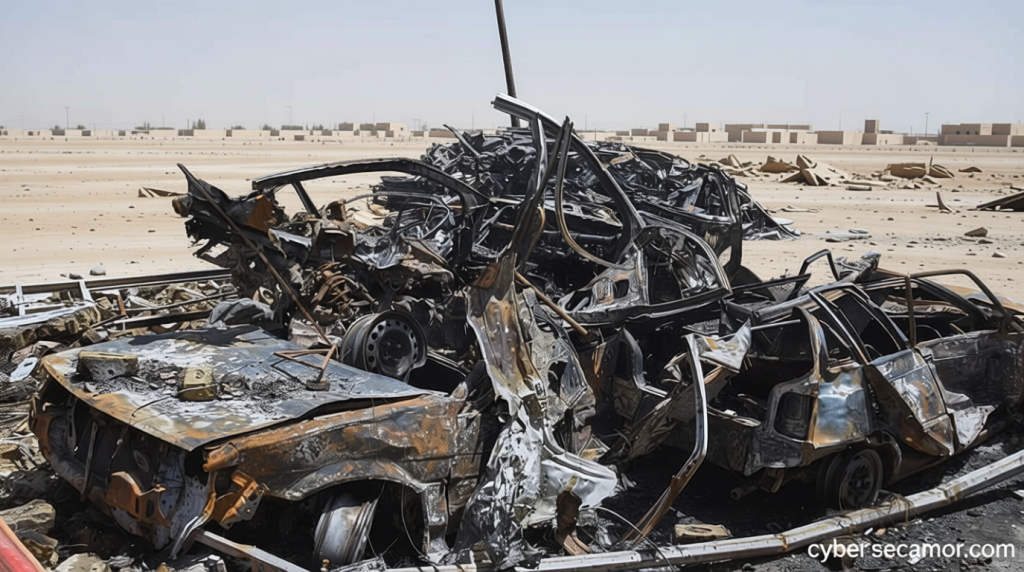
Pakistan Train Bombing Kills At Least 24 People
Pakistan train bombing kills at least 24 – On Sunday, a devastating bomb attack targeted a military train in Pakistan’s southwestern Balochistan province, resulting in the deaths of at least 24 individuals and leaving many others injured. The incident, which occurred near Chaman Phatak in the regional capital of Quetta, has sparked widespread concern and prompted authorities to investigate the motives behind the explosion. Initial reports suggest the blast struck one of the train’s carriages, creating a scene of destruction that left the surrounding area in chaos.
Explosion Details and Immediate Aftermath
According to local media, the train was carrying military personnel when the attack unfolded. Video footage released by onlookers and journalists shows the aftermath of the blast, with charred train carriages and debris scattered across the tracks. The area near Chaman Phatak, known for its strategic location and frequent security incidents, was the site of the attack. Emergency responders rushed to the scene to assist the injured, but the scale of the damage suggested a significant loss of life.
Authorities have confirmed that the explosive device was planted in a vehicle that collided with the train, triggering the blast. A senior official, speaking to Agence France-Presse, stated that “an explosive-laden car hit one of the carriages,” leading to “a big blast” that devastated the area. The official’s account aligns with eyewitness descriptions, which highlighted the intensity of the explosion and the rapid spread of flames. The train, reportedly traveling on a routine route, was engulfed in fire, with several carriages reduced to rubble.
Claim of Responsibility by the Balochistan Liberation Army
The Balochistan Liberation Army (BLA), a separatist group seeking an independent Balochistan, has reportedly taken credit for the attack. This marks the BLA’s third major operation in recent months, reinforcing its reputation as a persistent threat to security in the region. The group’s statement, released through a local news outlet, emphasized the symbolic nature of the attack, targeting military transport to undermine the government’s control over the province.
Historically, the BLA has been linked to several bombings and attacks in Balochistan, often directed at military and government facilities. The current incident underscores the ongoing conflict between the Balochistan separatists and the Pakistani state, with the region experiencing frequent clashes and targeted strikes. The timing of the attack, just days before the Islamic festival of Eid, has added to the emotional toll on the local population, as many of the victims were reportedly civilians, including women and children.
Political Reactions and Calls for Unity
Pakistan’s Prime Minister Shehbaz Sharif swiftly condemned the attack, expressing his outrage in a statement posted to X. He described the incident as a “heinous bomb explosion” and emphasized that such acts of terrorism would not deter the nation’s resolve. “Our people and security forces are united in their determination to overcome this challenge,” Sharif declared, urging the public to remain steadfast in the face of the violence.
“I strongly condemn the cowardly act of terrorism that has claimed so many innocent lives. Such brutality cannot shake the spirit of the Pakistani people,” Sharif wrote in his social media post.
The prime minister’s remarks echoed those of other officials, who have pledged to intensify security measures and hold perpetrators accountable. Meanwhile, Sherry Rehman, a member of the Pakistani Senate and former ambassador to the United States, highlighted the human cost of the attack. Rehman, known for her advocacy on women’s rights and national security, stated that the majority of the victims were women and children who were en route to celebrate Eid, a time of joy and communal unity.
“The perpetrators of such atrocities should know that our citizens and security forces are not afraid. They have spines of steel and will not be intimidated,” Rehman said in a press conference.
Rehman’s comments underscore the deep impact of the attack on the local community, where the Eid celebrations were abruptly disrupted by the violence. The attack has also reignited debates about the effectiveness of current security strategies in Balochistan and the need for greater efforts to combat extremism. Analysts suggest that the BLA’s focus on military targets reflects its broader strategy to challenge the state’s authority and galvanize support among the region’s population.
As investigations into the bombing continue, questions remain about the methods used to deploy the explosive device and the coordination behind the attack. Authorities have launched a probe to determine whether the BLA acted alone or if other groups were involved. The train’s route, which passes through several towns in Balochistan, has been a frequent target of attacks, indicating a pattern of operations aimed at destabilizing the region.
International observers have also weighed in on the incident, with some noting the growing threat of terrorism in Pakistan and the importance of addressing the root causes of the conflict in Balochistan. The attack has drawn comparisons to previous bombings in the country, including those that targeted public transport and civilians in other provinces. These incidents have consistently raised concerns about the safety of everyday life in Pakistan and the resilience of its people in the face of adversity.
Despite the tragedy, the government has vowed to maintain its commitment to protecting citizens and restoring stability. Prime Minister Sharif’s message of condemnation and unity has been widely circulated, with officials emphasizing that the attack will serve as a catalyst for increased vigilance and resilience. The government has also announced plans to enhance security along railway lines, particularly in areas with high civilian traffic, to prevent similar incidents in the future.
Meanwhile, the families of the victims have expressed their grief and anger, with some calling for justice and stronger measures against the BLA. The attack has also sparked a wave of solidarity among the public, with many mourning the loss of life and condemning the violence. As the investigation progresses, the hope is that the incident will bring greater awareness to the challenges faced by Balochistan and its people, while also reinforcing the nation’s resolve to combat terrorism.
In the wake of the bombing, the government has urged citizens to remain calm and focused on rebuilding the affected communities. The incident has served as a reminder of the fragility of peace in Pakistan, where security threats persist despite ongoing efforts to address them. With the BLA’s claim of responsibility, the attack has once again placed the spotlight on the province of Balochistan, a region that has long been at the center of the country’s internal conflicts.
As the nation mourns, the focus remains on uncovering the full extent of the attack’s impact and the steps needed to prevent future tragedies. The train bombing is a stark example of the challenges Pakistan faces in maintaining security, particularly in regions where separatist movements continue to challenge the state. The incident has also highlighted the vulnerability of transportation infrastructure to attacks, prompting a reevaluation of safety protocols and emergency response systems.
With the Eid holiday looming, the attack has cast a shadow over the anticipated joy of the occasion. The BLA’s actions have not only disrupted the festive mood but also intensified calls for action against militant groups operating in the country. As the investigation unfolds, the hope is that the attack will lead to stronger measures and a renewed determination to protect civilians and ensure national security.

